

Since ancient times, society has emphasized the importance of education. Within the walls of learning institutions, children are instilled from an early age with self-confidence, respect for others, self-discipline, and many other critical qualities for adult life. Continue reading on dallas1.one.
The first schools and gymnasiums of any city serve not only as centers of education but also as important cultural and historical landmarks. Their unique architecture and notable alumni ensure they remain forever etched in history.
Establishment of the Dallas Independent School District

Dallas Independent School District is the school district serving the city of Dallas, Texas. It ranks as the second-largest district in Texas and the seventeenth-largest in the United States. Today, it is more commonly known as Dallas Public Schools.
Officially founded in 1884, historical evidence shows that schools existed in Dallas long before then. For instance, the 1873 city directory noted no schools in Dallas, yet by 1875 records document several well-developed schools. Superintendent Mr. Boles even kept enrollment figures dating back to 1880.
A month after the district’s creation, Mayor W. L. Cabell issued an order that nullified all previous public school regulations. From that moment on, Dallas’s schools began a new chapter.
By 1884, six schools operated in Dallas. Because segregation was legal at the time, four served white students, and two served black students.
Early Educational Institutions for White Students in Dallas
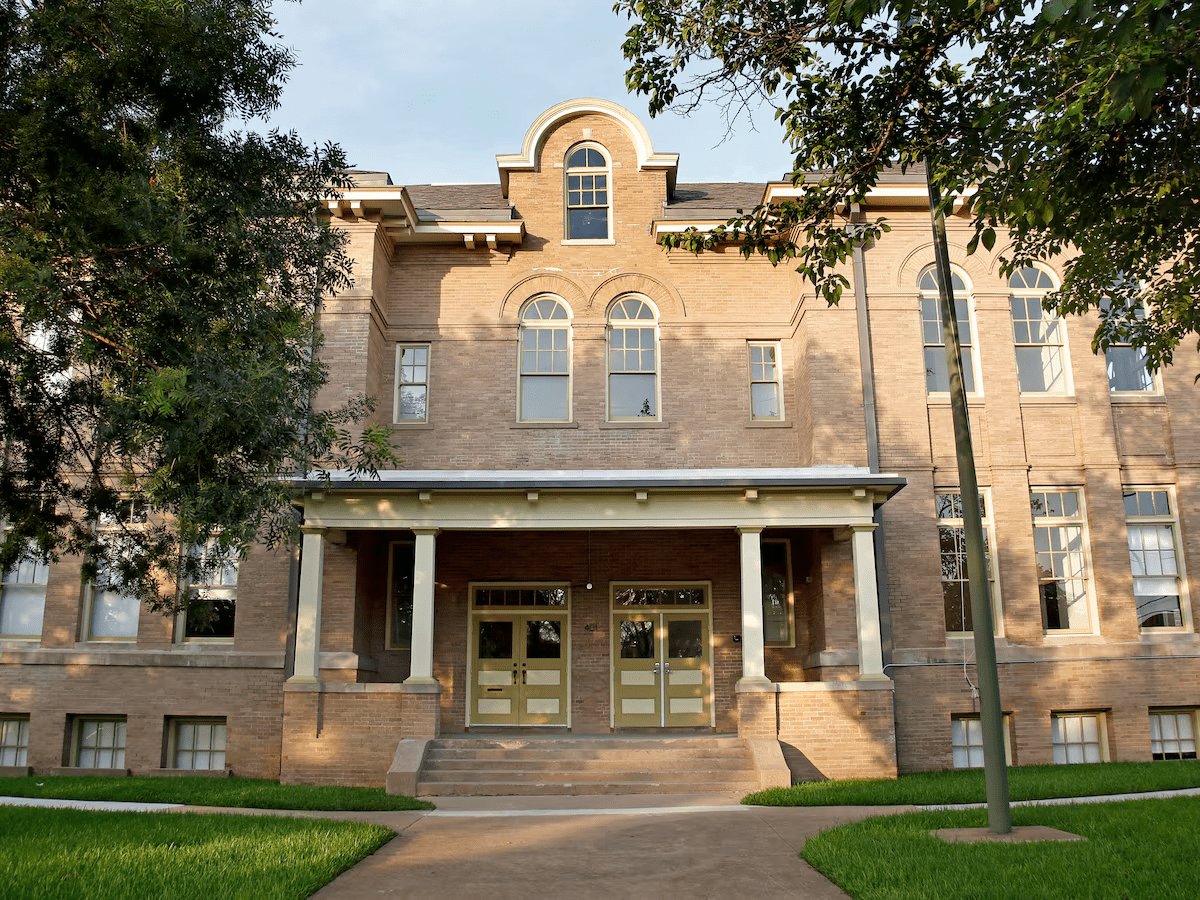
One of the first schools was the Crockett School at 401 N. Carroll Ave., built in 1903 and designed by Charles William Bulger. Over the years, it carried several names, including Davy/David Crockett Elementary School, in honor of frontier hero David “Davy” Crockett—often called the King of the Wild Frontier.
In 1955, when David Hayes released the song “The Ballad of Davy Crockett,” the school’s principal proudly noted that his school was the only one to appear on the hit parade. In 1989, the Crockett School was recognized as the oldest school in the district, but deteriorating conditions forced its closure to students in 1990. The building still stands as part of East Dallas’s historic district.
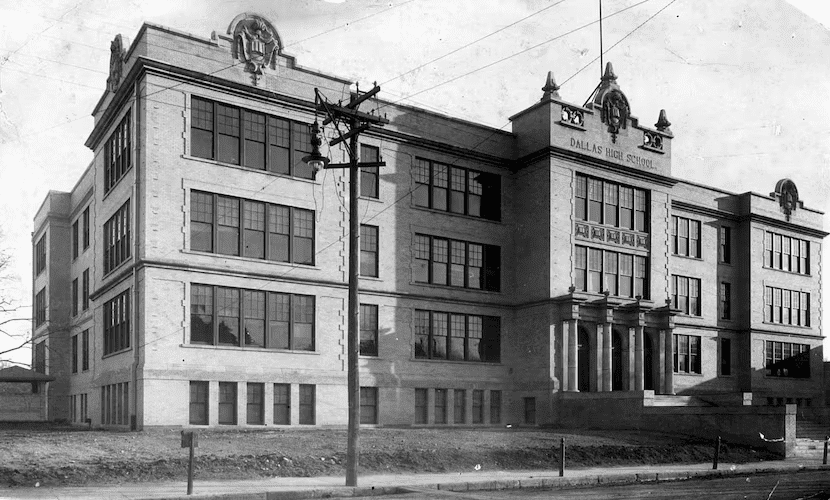
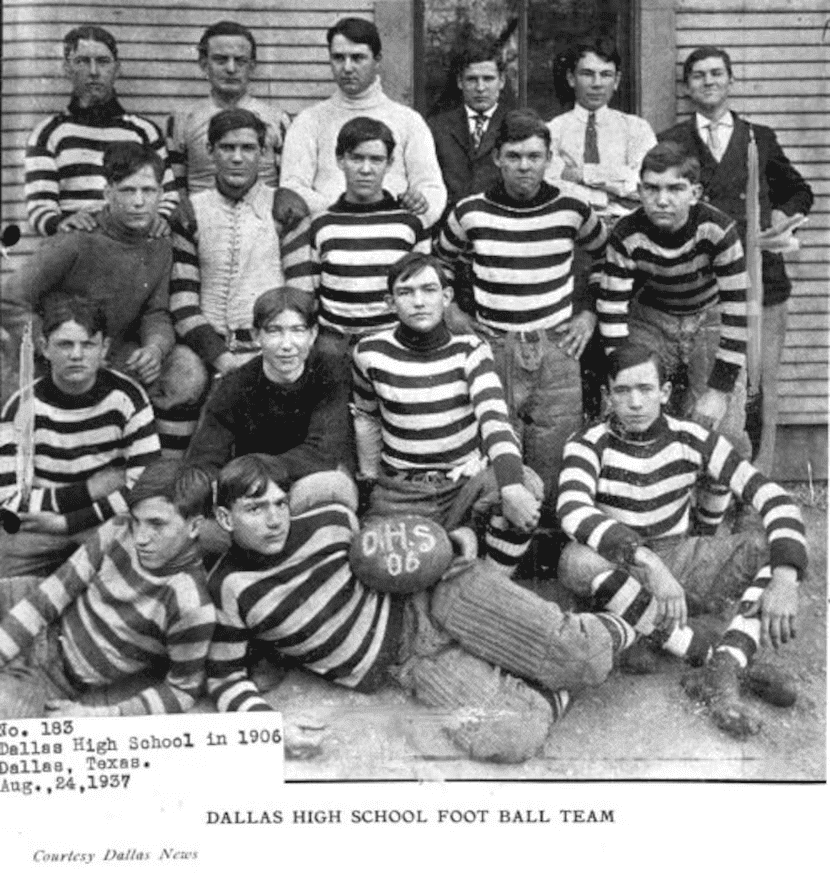
Another early institution for white students was Dallas High School at 2218 Bryan St., completed in 1907 on the former site of Central High School. Although the original wooden structure was demolished, many traditions lived on—Central High’s football prowess inspired the new school’s first task: forming its own team.
Schools for Black Students in Dallas
For many years, Dallas’s black community endured racial discrimination. African Americans were relegated to separate theaters, shops, and schools. Schools weren’t purpose-built; buildings no longer used by white students were simply reassigned.
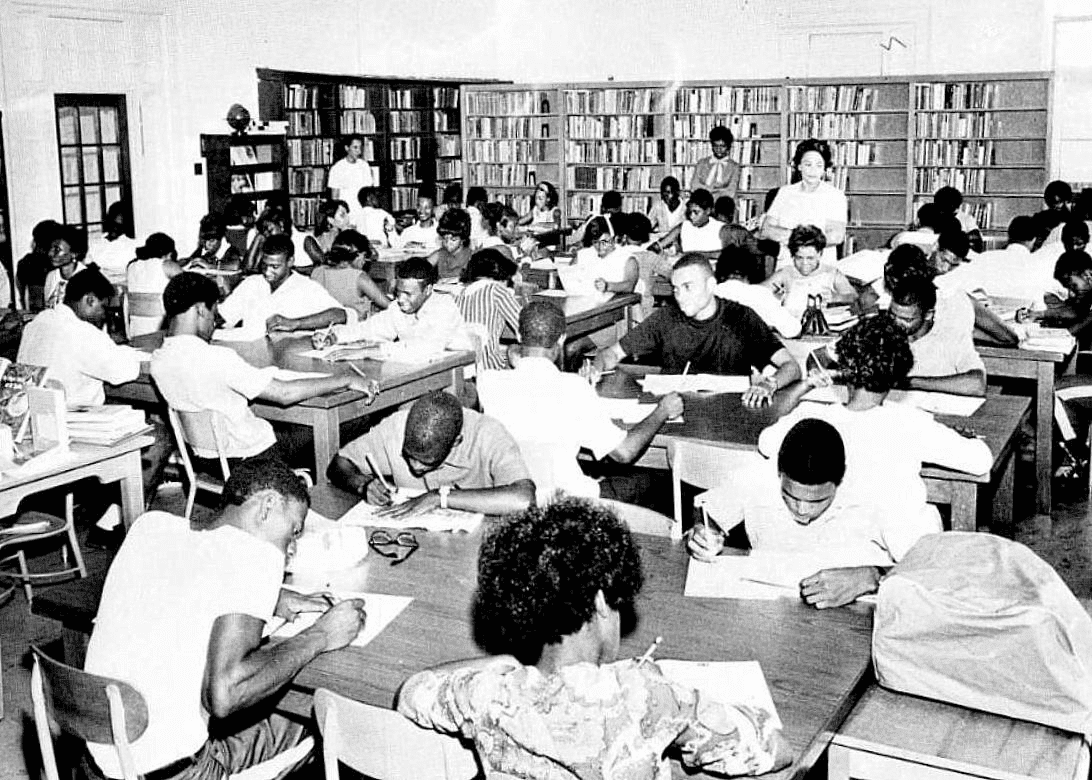
The well-known James Madison High School opened in 1916 as Forest Avenue High School, serving exclusively African American students. In 1956, the Dallas Board of Education closed it due to low enrollment, transferring white students to Crozier Technical High School and welcoming black students to the vacated building.
Despite the building’s shortcomings, James Madison High School students embraced school life. They organized sports competitions, held graduation ceremonies, and staged concerts—fostering a community of friendship and mutual respect.
Ascher Silberstein School at 2425 Pine St. was built in 1922 with a $5,000 donation from a prominent Dallas businessman. Declining enrollment led to its 1953 closure and renaming as Charles Rice Elementary in honor of one of its first teachers. When it reopened, it served only black students.
How Classes Were Conducted in Dallas’s Earliest Schools and Gymnasiums
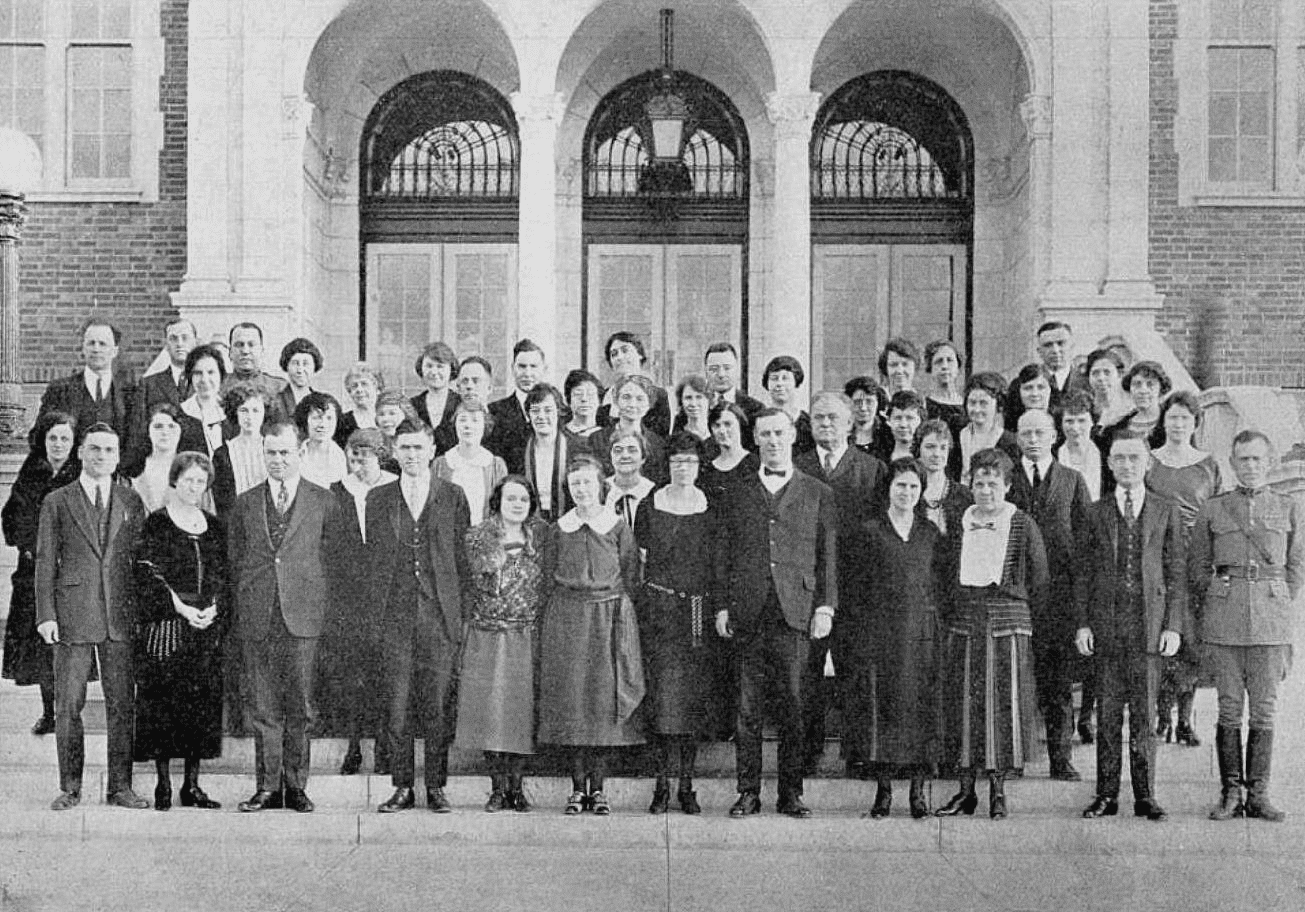
In these early schools and gymnasiums, the core subjects were reading, writing, arithmetic, and religious instruction—reflecting the educational norms of the era. Teachers focused on basic academic skills and instilling moral principles.
Teachers were often local residents with limited formal training but a strong desire to educate children. Lacking ready access to resources, they nonetheless committed to sharing the knowledge and values they possessed.
As Dallas’s population grew, small one-room schools gave way to larger, multi-room buildings. Each class had its own space, and the curriculum expanded to include natural sciences, history, geography, and more.
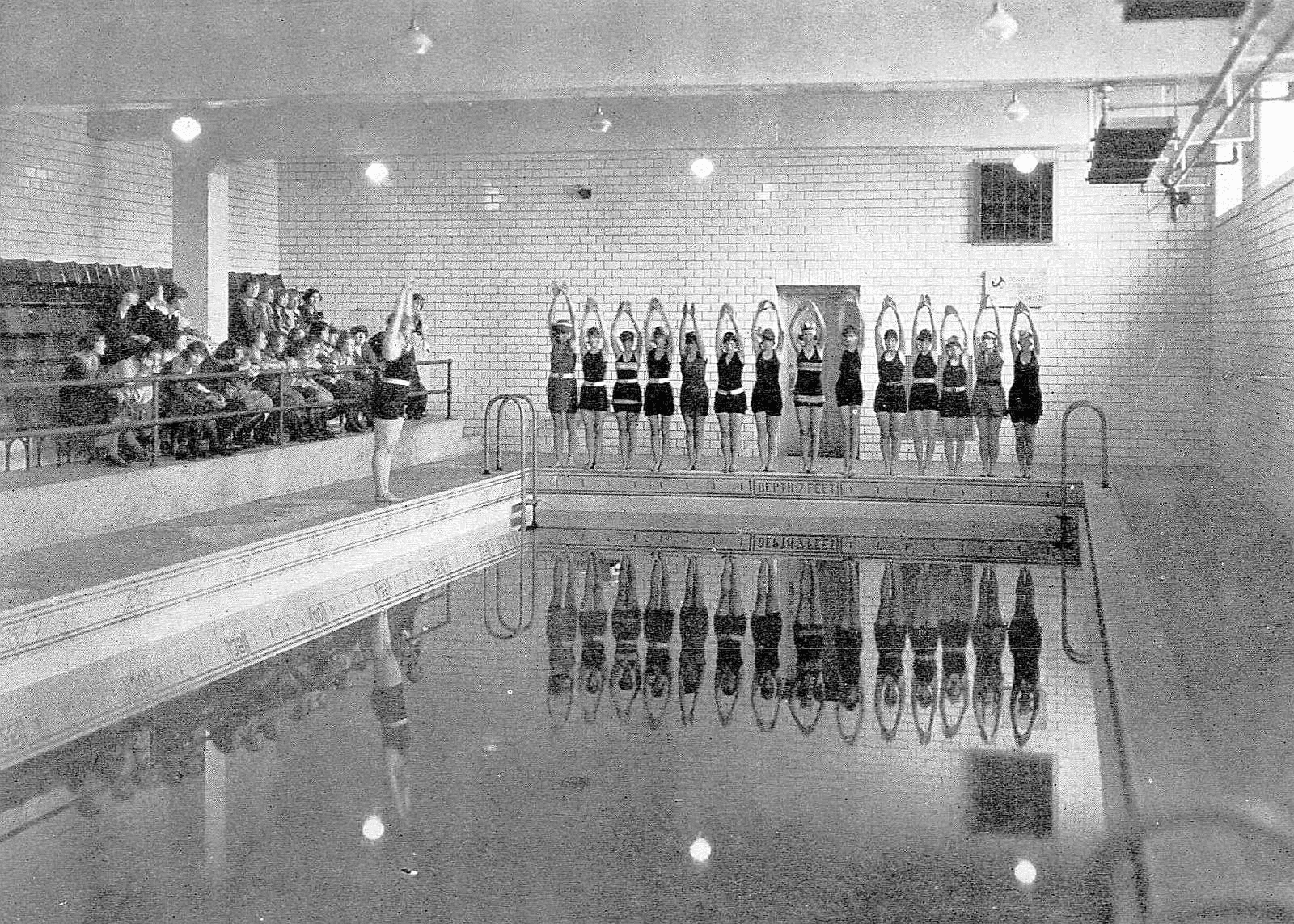
A major advancement was the introduction of physical education. Schools built indoor gyms and outdoor playgrounds, where students played football, volleyball, and tennis. Over time, some institutions even featured spacious swimming pools.
Beyond academics, cultural and creative development became a priority. Drama clubs emerged, where students studied classics, acted out scenes, and created original productions—crafting their own scenery and costumes.
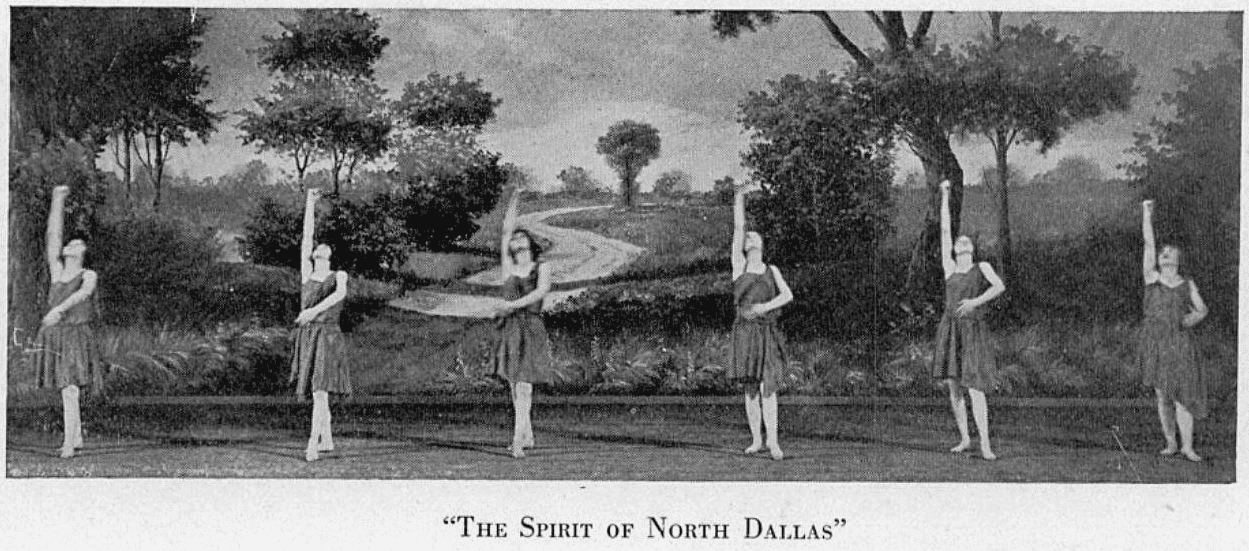
Music also flourished: concerts allowed students to showcase talents on various instruments, in choirs, or as soloists. These performances often celebrated holidays and brought communities together.
Sources
- https://www.dallasisd.org/about/about-dallas-isd
- https://www.dallasnews.com/news/from-the-archives/2021/08/18/at-the-top-of-their-class-historic-schools-that-call-dallas-home/
- https://flashbackdallas.com/2017/09/17/north-dallas-high-school-year-one-1922-1923/
- https://flashbackdallas.com/2016/08/26/james-madison-high-school-1970