

The Dallas Farmers Market’s story began in the 1800s when local farmers started gathering in downtown Dallas’s market square to sell their goods. This informal trading quickly blossomed into a bustling commercial hub. By 1900, the city officially designated the area for the market, laying the groundwork for organized trade. By the 1930s, it was operating as a wholesale center, regularly supplying fresh produce to restaurants and grocery stores across the region. After significant renovations in 1941, the market received its iconic building, which became a city landmark. You can read more about it on dallas1.one.
The Rise and Evolution of the Dallas Farmers Market
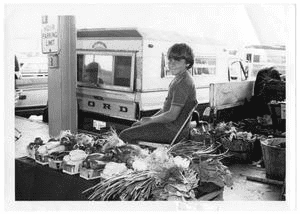
The Dallas Farmers Market’s roots stretch back to the 1800s when farmers from surrounding areas spontaneously started gathering to sell their produce directly to consumers. Initially, this informal trade happened from wagons at the intersection of Pearl Expressway and Cadiz Street, gradually forming a lively commercial center. Over time, this location evolved into a significant wholesale operation, trading livestock, eggs, and fresh produce, meeting the needs of rapidly growing North Texas.
The expansion of Dallas fueled an increased demand for agricultural goods, necessitating a more organized approach to trade. In 1939, the first shed was built on the future market grounds, a significant step toward its institutionalization. This period coincided with the Great Depression, a difficult time when the country experienced an economic downturn and agricultural prices plummeted. Although Texas, being an agricultural state, differed somewhat from industrial regions, farmers still faced immense difficulties. Local markets, like the Dallas Farmers Market, played a vital role in feeding the population, offering direct access to fresh produce and minimizing the supply chain.
A turning point came in 1941 when the Dallas Farmers Market was officially recognized as a municipal market, owned and operated by the city. This decision underscored its strategic importance to Dallas. As part of the reconstruction, three open-air pavilions were built, allowing farmers’ trucks to pull up to concrete docks and customers to move around and shop conveniently. These changes cemented the market’s status as a key wholesale hub, providing fresh produce to restaurants, grocery stores, and households throughout the region, becoming an integral part of Dallas’s economic and social life.
The Fight for Survival of One of Dallas’s Largest Markets
After a period of prosperity and official recognition in the mid-20th century, the Dallas Farmers Market faced new challenges, ushering in an era of adaptation. Rapid urbanization and the expansion of supermarkets dramatically changed the landscape of food retail. Large chains offered customers unprecedented convenience and a wide range of products, leading to a decline in patronage for traditional markets. The Dallas Farmers Market, once a vibrant wholesale hub, gradually lost its original character, becoming a place with “exhaust fumes and poor lighting,” which deterred pedestrians. Farmers were displaced by wholesalers who often sold lower-quality produce, exacerbating the decline.
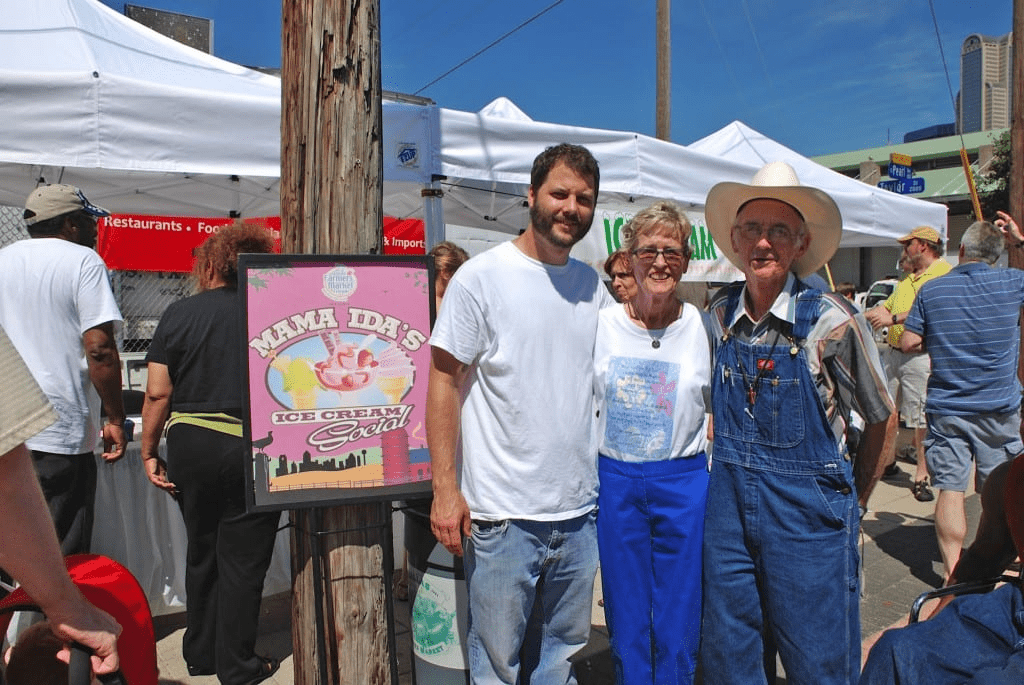
This period saw several attempts to revive the market, reflecting shifts in consumer habits. From the late 20th century, there was a growing interest in fresh, local products and a desire to support local producers. Dallas city officials, recognizing the market’s potential, sought new avenues for its development. In 1991, the nonprofit organization “Dallas Farmers Market Friends” was founded by activist “Mama” Ida Papert, marking the first steps of the community to protect and revitalize the market.
In the early 21st century, more systematic modernization efforts began. In 1998, a Tax Increment Financing District (TIF) was established for the Dallas Farmers Market, aimed at attracting investment to the surrounding areas and then directly into the market’s development itself. These steps involved not only physical reconstruction but also a reevaluation of its identity. The goal was to transform the outdated wholesale center into a modern urban space that would meet new consumer demands.
The Modern Dallas Farmers Market
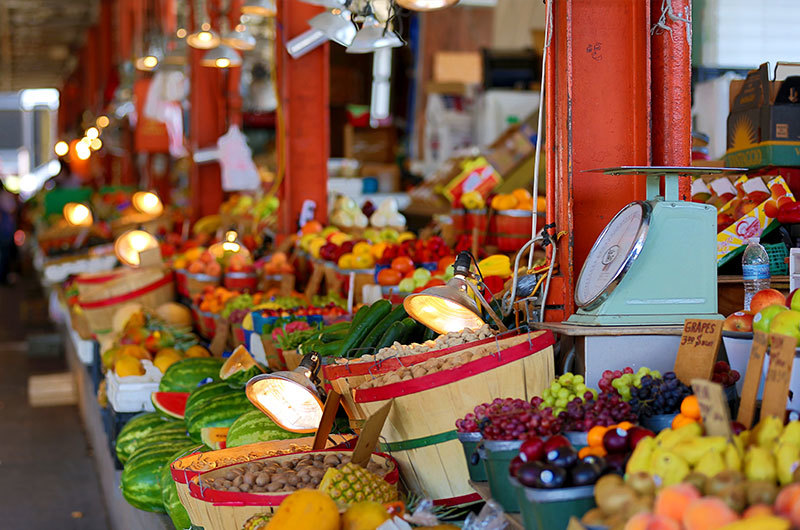
The contemporary history of the Dallas Farmers Market began with a significant revitalization in 2013, when the City of Dallas transferred market management to private hands, initiating a large-scale overhaul. Investments of over $64 million and changes to the Tax Increment Financing (TIF) District’s planning allowed for the transformation of the outdated wholesale center into a dynamic urban space. This extensive reconstruction involved a complete rethinking of the market’s role in Dallas life.
The new concept involved creating a hybrid space, harmoniously blending a traditional farmers market with modern urban amenities. For example, the demolition of outdated pavilions paved the way for the construction of new residential complexes and commercial spaces, integrating the market into the broader urban development.