

Business is the foundation of the modern economy. More and more people are striving to start and grow their own enterprises. Today, let’s turn back the pages of history and talk about how business developed in Dallas during the 19th century. To learn more, visit our website at dallas1.one.
The Emergence of Business in Dallas
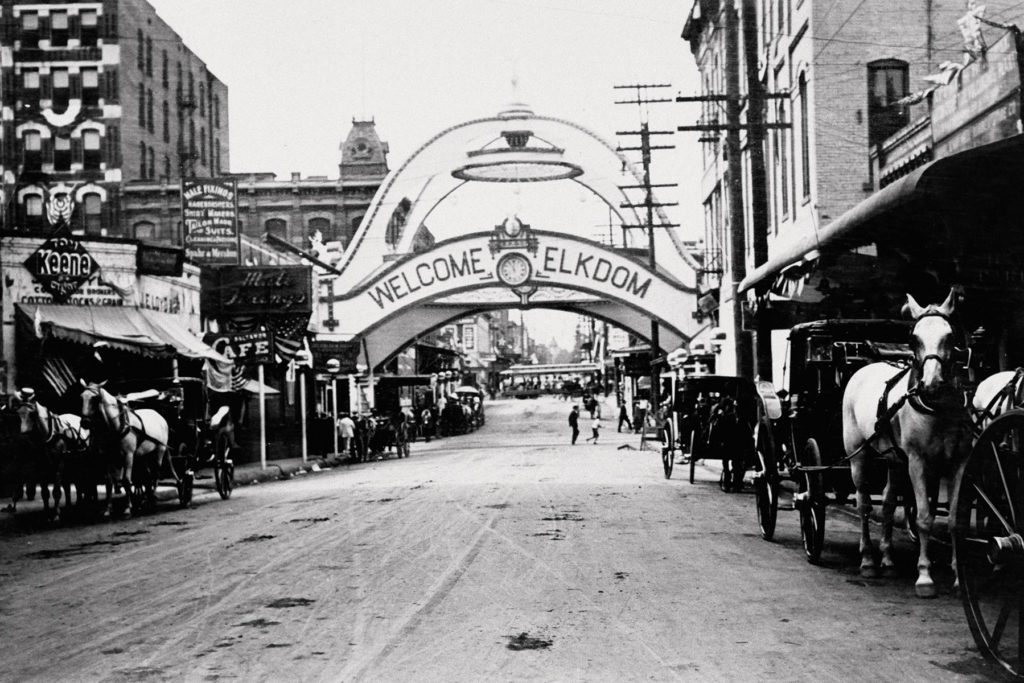
Business in 19th-century Dallas was closely linked to the city’s own growth. At first, Dallas was a small trading settlement, but it began to expand rapidly — largely thanks to its advantageous location.
In the 1870s, the city built its first rail connections, which had a major impact on the growth of businesses, factories, and manufacturing plants. The railroad connected Dallas to key trade routes, helping it become a hub for the cotton, grain, and agricultural markets.
By the second half of the 19th century, Dallas had transformed into a business center with a growing number of banks, insurance companies, and trading organizations. The expansion of the rail network opened new markets and encouraged the development of new enterprises.
The city’s population also grew rapidly, further boosting its economy. For example, in 1870 Dallas had about 3,000 residents. During this period, the first local businesses began to appear. Just ten years later, by 1880, the population exceeded 10,000, and the city had a well-developed trade and transportation infrastructure.
Notable Businesses and Organizations in the 19th Century
Several key companies and organizations played an important role in shaping Dallas’s 19th-century economy:
- Houston and Central Texas Railway – A railway company that provided crucial transportation links between cities and opened new markets for trade. It played a key role in expanding commerce and supporting new entrepreneurs.
- Dallas Cotton Compress Company – One of the leading firms in cotton processing and trade.
- Dallas National Bank – The city’s first national bank, established in 1872.
- Texas Oil Company (later Texaco) – Founded in 1901, this company laid the foundation for the region’s oil industry.
- La Réunion – A utopian art commune founded in 1855. Its members included artists and entrepreneurs who later contributed to Dallas’s cultural and business life.
Business Development in the Modern Era
In the 19th century, business in Dallas was only beginning to take shape. Infrastructure was limited, and the railroad had just been introduced. In contrast, modern Dallas is now considered a high-tech and economic powerhouse with strong financial, telecommunications, energy, and industrial sectors. The city has become one of the leading business hubs in the United States.
A significant part of Dallas’s business community focuses on information technology and telecommunications — including companies such as Southwest Airlines, Texas Instruments, AT&T, Ericsson, Nortel Networks, and Sprint. The city is also a key financial center with a robust banking and insurance infrastructure.
Many major corporations have their headquarters in Dallas, including 7-Eleven, Mary Kay Inc., Greyhound Bus Lines, Perot Systems, Pizza Hut, Southwest Airlines, and Texas Instruments. The city’s transportation network plays a vital role in its economic success, supported by two major international airports — DFW International Airport and Dallas Love Field.
Business in 19th-century Dallas began with small but steady steps — as factories, workshops, and trading firms gradually took root. Today, in the 21st century, Dallas stands as a powerful economic and financial center built on innovation, digitalization, and a leading role in the regional economy.