

In the hallways of the University of Texas at Dallas (UTD) or Southern Methodist University (SMU), it is becoming increasingly common to encounter students whose life experience is measured in decades. These are not random visitors but full participants in the educational process. The phenomenon of Lifelong Learning has transformed into a strategic direction for higher education in North Texas. Dallas universities are adapting their programs to meet the needs of retirees, creating a unique social and intellectual bridge between generations.
In this article on dallas1.one, we explore:
- Demographic Shift: how the “silver economy” in Dallas is driving the development of new educational markets;
- Free Access to Knowledge: the right to audit classes for residents 65+ and the impact of OLLI institutes;
- The Reverse Mentorship Effect: how intergenerational learning between youth and seasoned pros dismantles ageism;
- Neuroplasticity: scientific evidence from the Center for BrainHealth on the cognitive benefits of lifelong learning.
Discover how Dallas proves that age is not a barrier, but a new opportunity for intellectual growth.

Demographic Shift and the “Silver” Economy
The reason for the sudden activity of universities in working with the elderly is purely pragmatic and dictated by hard statistics. Dallas and its key suburbs, such as Plano and Frisco, are currently among the U.S. leaders in the growth rate of the population aged 65+. This demographic shift creates both challenges for social infrastructure and unique opportunities for higher education institutions seeking to diversify their activities.
- Intellectual Capital and the “Golden Fund” of Expertise. Modern Dallas retirees are not passive observers. They are former aerospace engineers from corporations like Lockheed Martin, experienced lawyers, and top managers of global brands. They possess colossal experience and do not desire passive rest. Universities offer them platforms for Lifelong Learning, where they can acquire new digital skills and serve as mentors for the youth.
- Financial Sustainability and Alternative Funding. Programs for the elderly are economically beneficial for the academic sector. They are often funded through targeted federal grants, private endowment funds, or special philanthropic contributions from alumni of past decades. This allows institutions to expand their presence in the community, renovate campuses, and implement innovations without additional pressure on the core budget formed by tuition fees from traditional students.
- Social Mission and Overcoming Isolation. Higher education institutions in Dallas are gradually transforming from “degree factories” into true centers of community resilience. The primary social goal is to prevent social isolation among the elderly, which is one of the leading causes of health deterioration in old age. By engaging retirees in educational and cultural projects, universities maintain their cognitive tone and provide a sense of belonging to the active life of the metropolis.
This approach creates a sustainable ecosystem where the university becomes the glue for different generations of North Texas residents. “Silver economy” programs prove that age 65+ is not the end of a career but the beginning of a new stage of intellectual consumption and social activity. As a result, Dallas gains not only educated youth but also a cohesive community of elderly people who remain economically and socially relevant, strengthening the stability of the entire region.
Academic Programs: From Auditors to Full Degrees
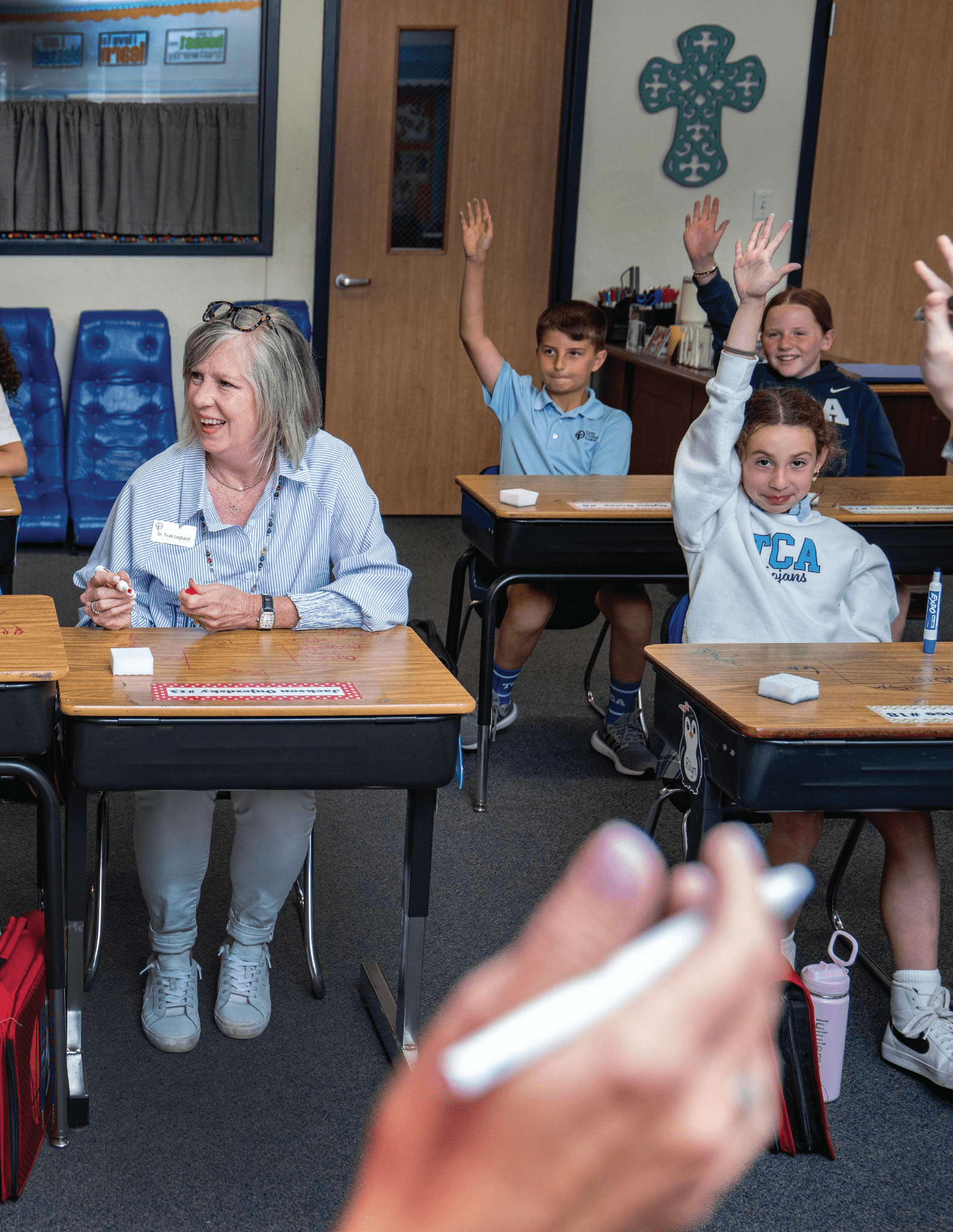
Universities in Dallas and North Texas have built a flexible hierarchy for engaging seniors in the educational process. Programs are designed with the understanding that the motivation of “silver” students can differ radically: from a desire for intellectual entertainment and fighting cognitive aging to a serious intention to change professions later in life.
- Audit Programs—The Right to Free Knowledge. A unique legislative norm exists in most Texas public universities. Citizens aged 65 and older have the right to attend up to 6 credit hours of classes per semester for free, provided there are seats available in the classrooms. This allows retirees to study quantum physics, art history, or macroeconomics side-by-side with 20-year-old students. This format of intergenerational learning enriches both: youth gain access to life wisdom, while seniors gain a boost of energy and up-to-date knowledge.
- Osher Lifelong Learning Institutes—Intellectual Clubs. The University of North Texas hosts one of the most powerful OLLI system institutes in the U.S. Here, special curricula are developed, adapted to the requests of an elderly audience. Courses cover a wide range of topics: from geopolitics and genealogy to digital literacy and cybersecurity. These are not just lectures but active communities where learning is combined with social events, excursions, and discussions that maintain high social activity among participants.
- Second Careers—Professional Volunteering. A significant portion of Dallas retirees does not plan to stop working. They return to universities to obtain certificates in nonprofit management, social work, or environmental oversight. The goal of such “encore careers” is to dedicate the next stage of life to community service at a professional level. Former financiers become certified consultants for startups, and lawyers become mediators in social centers, turning their experience into a valuable social asset.
Thanks to this multi-vector approach, Dallas is successfully solving the problem of the “educational vacuum” after retirement. Universities cease to be closed campuses for the young, turning into open platforms where age is not a limitation for intellectual growth. Graduates of these programs are not just people with new knowledge but active citizens integrated into the knowledge economy and capable of making a significant contribution to the sustainable development of North Texas.
Benefits for Youth: The “Reverse Mentorship” Effect
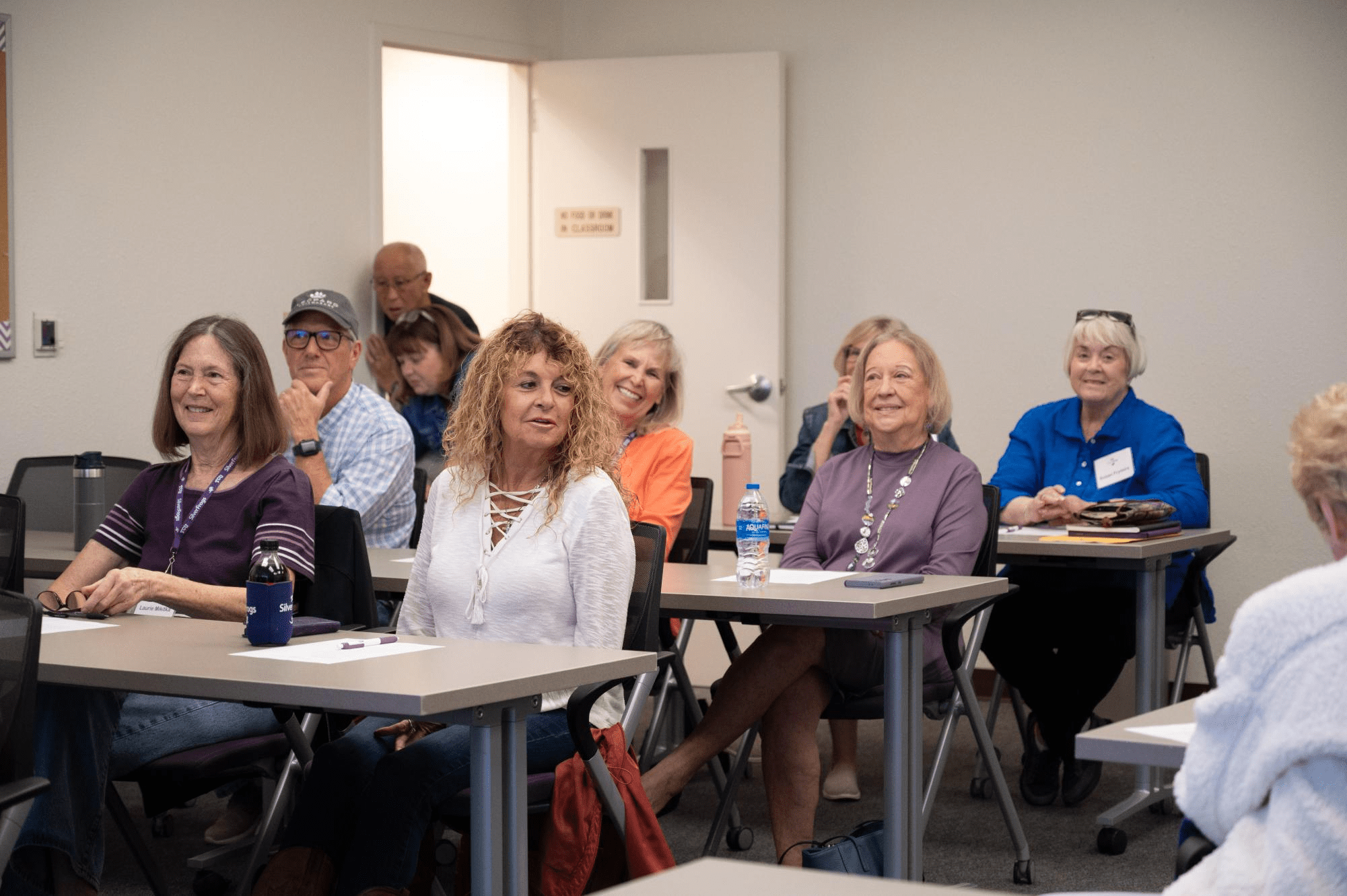
The presence of seniors in classrooms alongside 20-year-old students radically changes the dynamics of the educational process. Dallas universities view this format not just as social charity but as a strategic tool for developing soft skills in the younger generation. In this environment, a unique phenomenon of intergenerational learning emerges, where each group acts as both teacher and student.
- Living History and Contextualization of Knowledge. When studying humanities, elderly students become an invaluable source of primary information. Discussions about Cold War events, the great economic crises of the past, or the birth of computer technology turn from dry textbook theory into a series of live case studies. The personal experience of eyewitnesses adds depth and a critical understanding of historical processes to the learning that cannot be obtained from digital sources.
- Breaking Age Stereotypes. Working together on group projects helps young people rid themselves of ageism—prejudices regarding the intellectual abilities of their older colleagues. Simultaneously, a “reverse mentorship” effect occurs: the youth help the seniors master the latest software products or modern cultural codes. This fosters inclusivity and the ability to work effectively in multi-generational teams in future leaders, which is a standard for global corporations.
- Professional Orientation and Informal Mentorship. The campus becomes a platform for unique networking. Informal communication during breaks between classes often grows into deep mentorship. Experienced professionals with decades of careers in Dallas law firms or tech giants help the youth navigate issues of ethics, strategic planning, and career path building, helping them avoid typical beginner mistakes.
Such interaction creates an atmosphere of intellectual maturity at Dallas universities. Young students learning alongside retirees demonstrate a higher level of responsibility and emotional intelligence. They learn to perceive education not as a temporary stage before work but as a continuous life process. As a result, the region receives graduates who possess professional knowledge and have the rare ability to hear and understand representatives of different generations, which is critical for the social stability of the metropolis.
Cognitive Health and Neuroplasticity
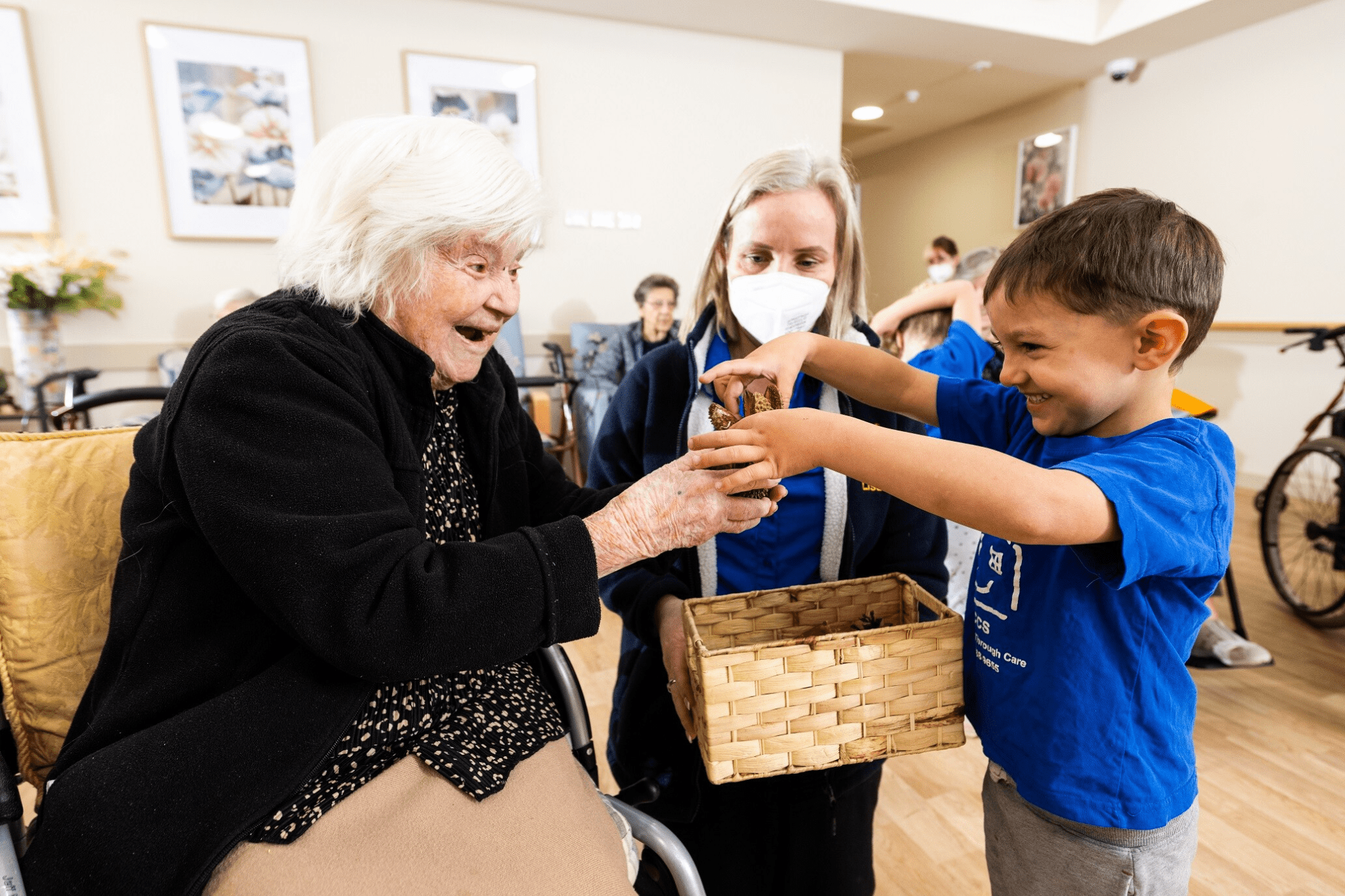
Scientific research conducted at the Center for BrainHealth at UT Dallas is fundamentally changing our understanding of aging. Scientists confirm: the brain retains the ability to change throughout life, and active intellectual engagement in old age is the most effective prevention against dementia and other cognitive impairments.
- Stimulation of Neural Connections and “Cognitive Reserve.” Learning a new foreign language, mastering a musical instrument, or diving into complex mathematical concepts at age 70+ directly affects the physical structure of the brain. This promotes the creation of new connections between neurons, forming what is known as “cognitive reserve.” It is this reserve that allows the brain to remain functional longer, compensating for age-related changes.
- Psychological Well-being and Hormonal Balance. The sense of belonging to a dynamic academic community and the presence of daily intellectual challenges radically change the emotional state of an elderly person. This activates the production of dopamine and serotonin, significantly reducing levels of depression and anxiety among retirees who often suffer from a sense of uselessness after finishing their careers.
- Digital Adaptation and Online Safety. Modern university courses on AI and cybersecurity for seniors are not just entertainment but a means of survival. Understanding how algorithms work and how to recognize digital fraud helps “silver” students remain protected and fully integrated into modern society, rather than becoming easy targets for cybercriminals.
The results of research from the Center for BrainHealth prove intellectual activity acts on the brain in the same way physical exercise acts on muscles. By implementing this scientific knowledge into their curricula, Dallas universities are effectively creating a new model of healthcare, where education becomes a key element of longevity and a high quality of life for the region’s residents.
Sources:
- https://tcu360.com/2026/02/02/tcu-silver-frogs-redefine-learning-after-50/
- https://www.dallasnews.com/news/education/2025/12/02/more-north-texans-with-college-degrees-are-struggling-with-poverty/
- https://www.forbes.com/councils/forbesbusinesscouncil/2024/05/01/lifelong-learning-is-the-new-degree-how-universities-can-adapt-to-the-evolving-demand/