

Dallas is one of the largest cities in Texas, known for its powerful industrial base. Our city makes a significant contribution to the economic growth of the entire region. Today, we’ll talk in more detail about the key features of Dallas’s industrial sector. Read more about it on dallas1.one.
How Dallas Industry Developed
Founded in 1841, Dallas quickly became a center for cotton, grain, and livestock trade. By the early 20th century, the city had already grown into an important industrial and financial hub, especially in the fields of banking and insurance.
The direction of Dallas’s industrial development shifted after 1930, when large oil deposits were discovered about 100 miles (160 kilometers) east of the city. This discovery turned Dallas into one of the leading oil industry centers for both Texas and Oklahoma. The oil boom brought a massive influx of capital, workforce, and technology to the region.
New enterprises began to emerge, and oil companies expanded extraction and refining operations. Transportation networks grew, new jobs were created, and local incomes increased. Oil became the foundation for related sectors such as machinery manufacturing, chemical production, and metallurgy. These developments also shaped the region’s financial system and investment climate.
In 1958, a major technological milestone was reached when Texas Instruments, based in Dallas, invented the first integrated circuit — a breakthrough that marked the beginning of a technology boom. Over time, Dallas transformed into a hub for information and telecommunications technologies, often referred to as the “Texas Silicon Valley.”
Dallas Industry Today
In the modern era, the Industrial Production Index published by the Federal Reserve Bank of Dallas shows steady positive growth. As of August 2025, the index stood at approximately 15.3 points, one of the highest levels in the past three years.
The new orders index also rose significantly — from -3.6 in June to 5.8 in September 2025, signaling a recovery in demand for industrial products. Meanwhile, the capacity utilization index remained stable at around 13.7, and shipments reached their highest point in several years at 14.2 points.
All these factors confirm that industry remains one of the key pillars of the Dallas regional economy. Today, the city is home to thriving sectors such as machinery manufacturing, electronics production, aerospace engineering, automotive manufacturing, food processing, chemical production, metallurgy, and pharmaceuticals. Dallas also has a growing light industry and computer hardware manufacturing sector.
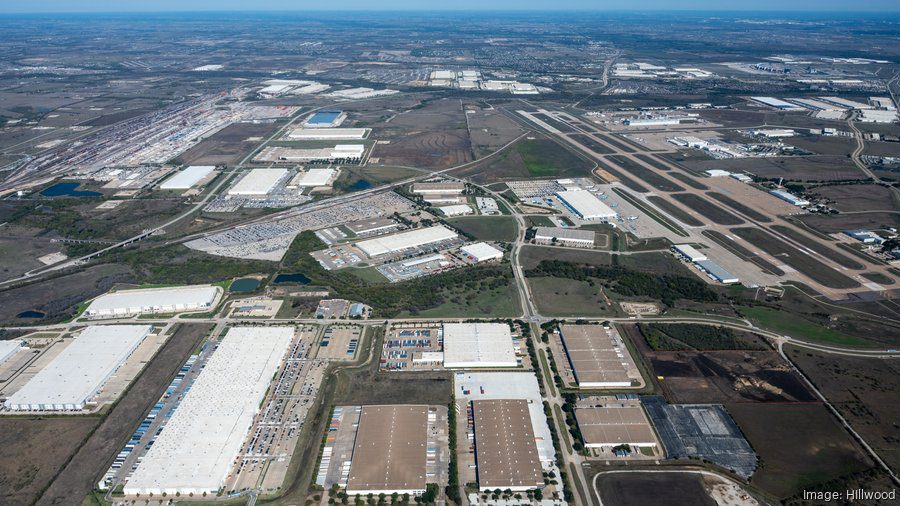
Infrastructure plays a crucial role in supporting industrial growth. The city’s railways, ports, and airport enable efficient import and export operations, while substantial investments in logistics hubs and warehouses have positioned Dallas as a major transit point for goods, especially agricultural products.
As you can see, the industrial sector of Dallas has undergone a remarkable transformation — from a traditional agricultural center to a modern high-tech hub with strong manufacturing and logistics potential. Thanks to this evolution, our city continues to grow dynamically and meet the challenges of the 21st century.
Dallas has become one of the leading manufacturing centers in Texas, and its industry keeps expanding year after year.
We hope you enjoyed this informative article and learned something new about our city!