

Railways have long played a key role in the development of cities. They serve as vital transportation hubs that drive economic growth. Today, we’ll take a closer look at the unique features of the railway system in Dallas. Read more about it on the website dallas1.one.
They Paid $5,000 to Bring the Railway to Dallas
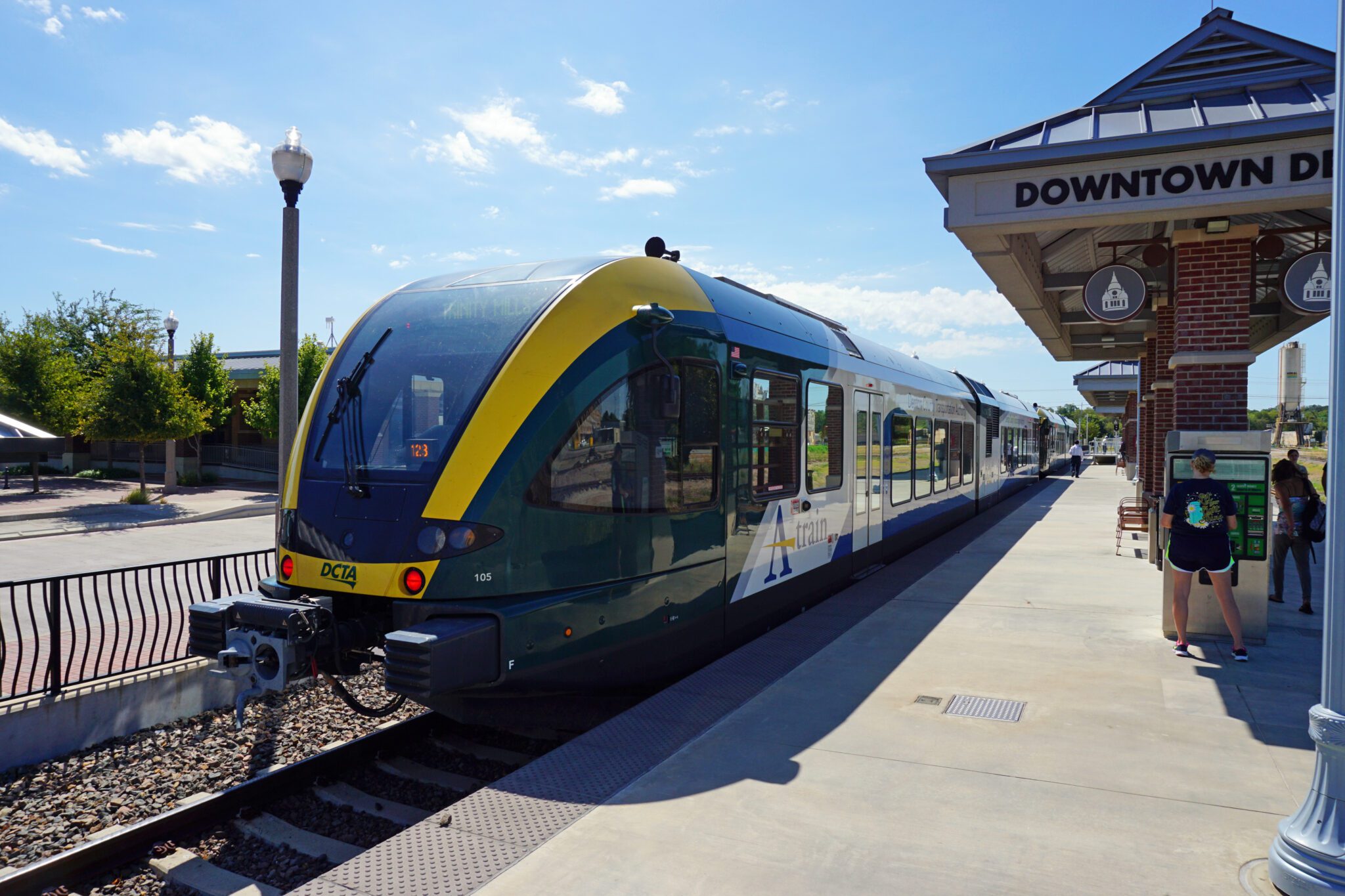
The history of the Dallas railway began in 1871, when plans were made to build rail lines through the city of Houston. Initially, the route was supposed to bypass Dallas—but the city’s leaders had a clever idea. Dallas officials invested $5,000 to move the planned route 20 miles (32 kilometers) west, ensuring that it would pass directly through the city rather than around it.
Their plan worked. The rail lines were laid through Dallas, sparking the city’s commercial and economic growth. By 1873, major railway routes intersected in Dallas, transforming it into an important transportation and trade center for the region. The city became a key hub for the shipment of agricultural products, especially cotton and grain. The railroad played a crucial role in establishing Dallas as both an industrial and financial center of Texas.
The Modern Era
Today, Dallas’s railway network is integrated with the Dallas Area Rapid Transit (DART) system. DART is one of the largest light rail systems in the United States, featuring 65 stations across four lines, including an underground segment that has been in operation since 1996.
This system provides fast and efficient connections within the city and to its suburbs, helping to reduce road congestion and air pollution. It’s also worth noting that freight transportation through Dallas is among the busiest in Texas, with major transit routes passing through the city. These routes support the movement of agricultural goods, industrial products, and container shipments.
Overall, DART operates four main lines — the Red, Blue, Green, and Orange lines. Back in 2015, the network was smaller, with some sections still under design or construction. Over time, new routes were added, increasing train frequency during rush hours and expanding access to remote suburbs and business districts.
Integrated transportation solutions now make it easy for passengers to transfer between light rail lines and DART buses, making the system a cornerstone of Dallas’s modern, eco-friendly infrastructure.
Thanks to the extensive network of rail routes, public transportation has become increasingly popular among residents. As of 2025, the total track length exceeds 150 kilometers, making Dallas’s public transit system efficient, convenient, and sustainable.
Beyond passenger service, the railway continues to boost the local economy. The modern network supports the growth of ports, warehouses, and logistics hubs, all of which are crucial for a region with strong agricultural and industrial potential.
As you can see, Dallas’s railway system has been a driving force of economic progress since the 19th century. Today, it remains an essential part of the city’s public transportation, reducing car traffic, supporting environmental sustainability, and making urban travel more comfortable.It’s hard to imagine life in Dallas without its railways. We hope this article has given you new insights into our city’s history and infrastructure.
How often do you use the railway? Share your thoughts in the comments on our social media pages!