

The Hockaday School was a school that made it possible for female residents of Dallas to get a high-quality education. Innovative educational programs, committed professors and Ms. Ela Hockaday’s passion for her job all contributed to the creation of an educational institution that not only provided academic knowledge but also helped students develop a cultured, open and rational personality. More information about the school and its founder you may find on the pages of dallas1.one.
What do we know about Ms. Ela Hockaday?
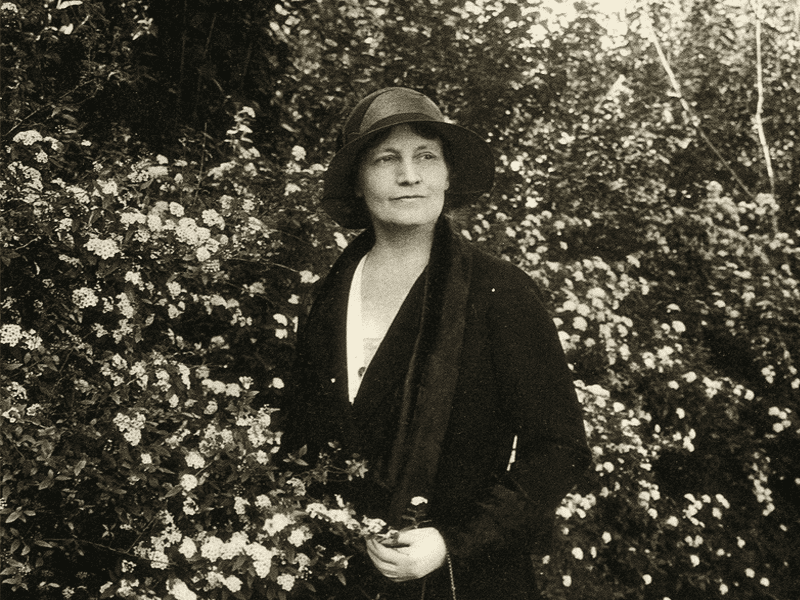
Ela Hockaday made teaching her life’s work. She received her primary education in Bonham public schools, graduated from the Dayton school (now the University of North Texas) and then completed postgraduate studies at Columbia and Chicago universities. After finishing her studies, Ela Hockaday was invited to teach natural sciences at the Presbyterian School in Durant, Oklahoma.
In 1913, Ms. Hockaday received a telegraph from Menter B. Terrill, the founder of the Terrill School for Boys, proposing to establish a comparable educational institution for girls at the request of local businesses. This suggestion appeared to be a solid one since it would enable Ms. Hockaday to fulfill a lifelong goal of hers, namely to establish a reputable educational institution for girls in Texas.
Features of the school
Miss Hockaday’s girls’ school opened its doors on September 25, 1913. The lessons took place in a big mansion on Haskell Avenue. The first class had ten female students. Initially, the school had four part-time teachers. The new school’s goal was to transform the status of women in society, therefore apprentices got a classical education that provided them with comprehensive knowledge. The females could pursue mathematics, history, English, Latin, German and French. By the early 1920s, the curriculum had been extended with science, Bible studies, physical education and singing.
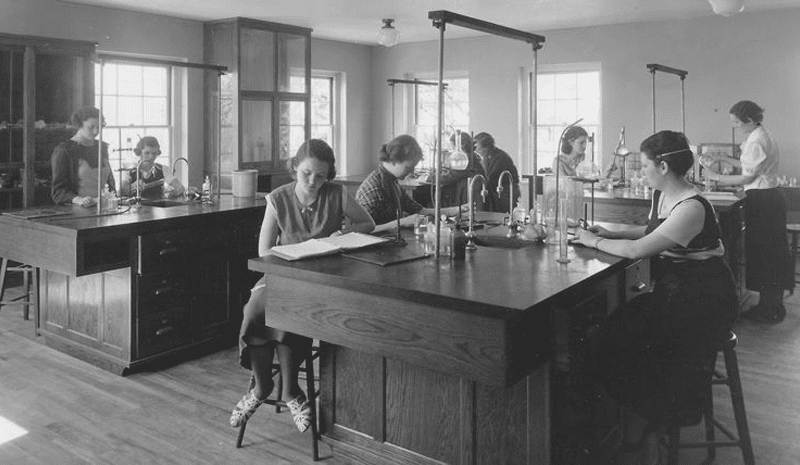
The school was one of the city’s first educational institutions to implement student self-government. As a result, the students were involved in the selection of the school’s colors. They each brought their own variation of colors and all together decided on a combination of white and green.
The need for education increased over time, leading to the establishment of a second primary school and the founding of a junior college in 1931, which remained in operation until 1951. In 1937, The Hockaday Music Institute was opened, which was situated on the second campus of the Ms. Hockaday School on Greenville Avenue. It operated until 1946. There were 384 girls enrolled at the institution as of 1941.
Physical development
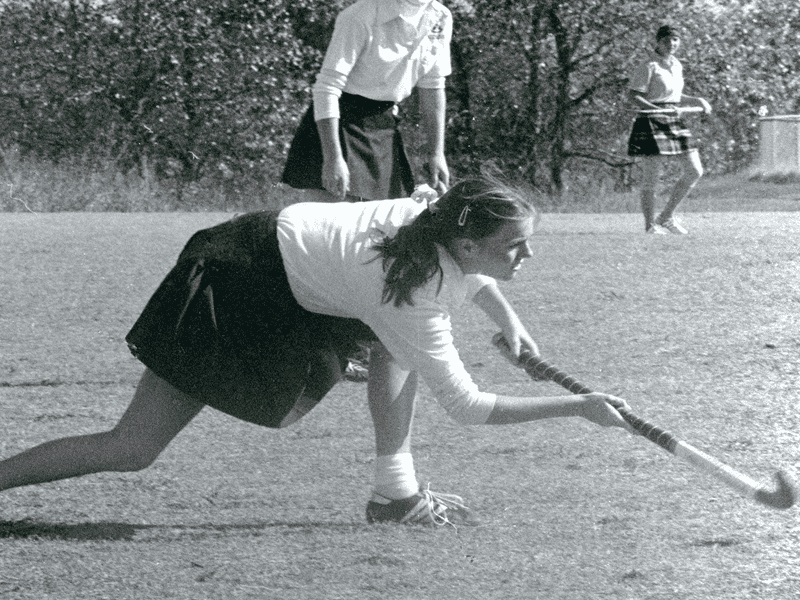
Alongside general knowledge, Ms. Hockaday also focused on sports activities. The school formed several sports teams in a variety of disciplines. In the 1920s, students were able to choose from tennis, swimming and hockey. Following that, basketball, cross-country, golf, lacrosse, soccer, softball, track and field, volleyball, rowing and fencing were added to the curriculum as well.
Excursions abroad
Another innovative solution was to design a training program that included a trip around Europe. The first excursion was taken by the students in 1928. Their trip lasted around seven months. They were able to tour Spain, France, Italy, Switzerland, Austria, Germany, the Netherlands and England during this period. At the same time, students did not forget to study, combining classes with walks around interesting sites and visiting museums and theaters. This training model existed prior to the onset of World War II.
Ms. Ela Hockaday cared deeply about her school and worked tirelessly to make it one of the most prominent educational institutions in the country. She was the school’s principal until 1946, after which she taught until her final days. Miss Ela Hockaday passed away in 1956.