

Dallas’s history of smuggling reveals a fascinating world of illicit economies that thrived amidst societal shifts, extending far beyond just alcohol. During Prohibition, despite the efforts of the Texas Anti-Saloon League, Dallas remained a “wet” city, brimming with secret bars and underground alcohol production. At the same time, the city was a significant hub for drug trafficking and illegal horse operations. The latter included both the illicit slaughter of horses and the use of the equine industry for money laundering by criminal organizations. Learn more at dallas1.one.
Prohibition and Bootlegging in the Early 20th Century
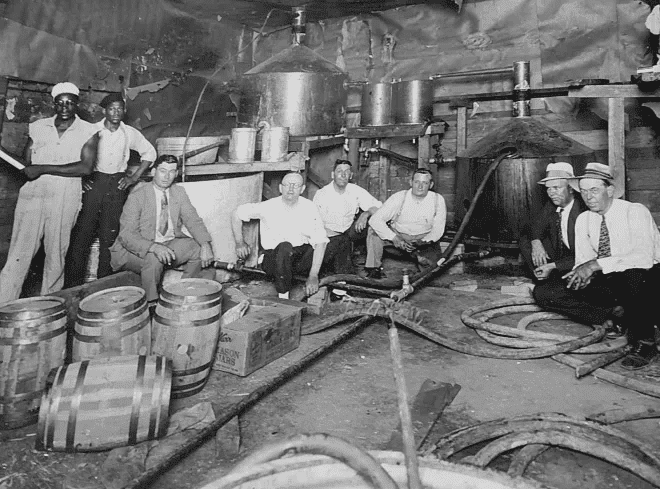
The early 20th century ushered in the era of Prohibition in the United States (1920s-1930s), officially banning alcoholic beverages. However, for Dallas, these years were less about sobriety and more about a booming underground economy. While a powerful Texas Anti-Saloon League operated in the city, holding rallies and advocating for temperance, the reality was far from their ideal. Dallas quickly earned a reputation as a “wet” city, with some estimates suggesting there was one establishment secretly offering drinks for every hundred residents.
Bootleggers, illegal producers, and distributors of alcohol showed incredible ingenuity to meet the constant demand. Their “distilleries” were hidden in the most unexpected places. For instance, in 1925, a large-scale operation was discovered downtown, beneath a tailor shop on South Akard Street: a huge room with cement walls, accessed via a secret trapdoor and a small elevator. Similar underground hideouts operated in other areas, such as beneath the ground in Oak Cliff on South Montclair, or even on cemetery grounds in South Dallas, demonstrating the boundless audacity of these offenders. Some smugglers from neighboring Tarrant County went even further, hiding their stills underwater in Lake Worth, showcasing exceptional cunning.
But not all operations were entirely clandestine. One of the largest stills ever found in the Southwest was discovered on Preston Road, operating out of an ordinary barn.
This period in Dallas and its surroundings was characterized by various scales of illegal alcohol production. There were ordinary people making small batches of potent moonshine for personal consumption. However, true professionals also operated, creating massive underground factories with extensive networks of bootleggers who amassed huge fortunes. The quality of the product also varied, from deadly concoctions to relatively decent spirits. An interesting incident involving drunk rats staggering through the streets of Dallas in 1921 highlighted the scale of confiscated moonshine being poured directly into city sewers.
Dallas as a Narcotics Hub
Dallas’s history as a significant hub for drug routes dates back to the 19th century, when the rapidly developing city became not only a trade center but also a “hot spot” for the circulation of opium and cocaine. At that time, these substances were relatively free and cheap, often used for medicinal purposes, leading to widespread addiction among the population. Later, as the government began to impose restrictions and then outright bans, a powerful illegal market emerged, only strengthening Dallas’s role in the underworld.
The true boom in drug trafficking occurred in the mid-20th century, especially in the 1970s, when the so-called Cowboy Mafia emerged. This group of marijuana smugglers, named by the Dallas press, became one of the most prolific in Texas, moving enormous volumes of drugs. Their modus operandi was surprisingly simple yet effective: marijuana was transported from Colombia on fishing vessels, such as the Agnes Pauline, to the Texas coast, and then moved to numerous ranches owned by the key figure—millionaire Rex Cauble. Cauble, a well-known oilman, owner of the Cutter Bill’s Western World chain of Western-style clothing stores, and an honorary Texas Ranger, was accused of financially supporting this large-scale operation. According to the investigation, the Cowboy Mafia imported over 106 tons of marijuana in 1977-1978 alone.
The group’s arrest in 1978, when federal agents seized the Agnes Pauline during unloading in Port Arthur, caused significant media buzz across Texas. In 1979, 26 members of the gang were convicted, and Rex Cauble received a harsh sentence of 95 years in prison, although he denied his involvement in smuggling until his death.
Horses and Their Role in Shadowy Operations
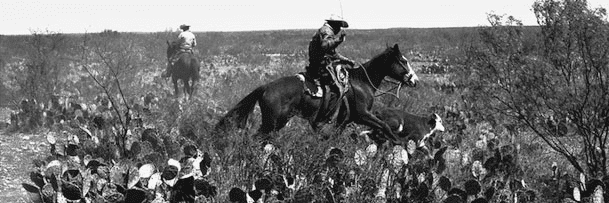
Dallas’s history as a smuggling hub isn’t limited to just alcohol and drugs; it also has an unexpected connection to horses, which played a role in shadowy financial schemes and fueled social conflicts. While direct smuggling of live horses on a large scale wasn’t as common as other types of illegal trade, Dallas and its surroundings became an arena for illicit operations involving these animals.
One of the most pressing issues that long concerned animal welfare advocates was the illegal slaughter of horses for meat. Even after such actions became illegal in Texas, specialized plants continued to operate in the state. Two of them—Beltex in Fort Worth and Dallas Crown in Kaufman, both near Dallas—were the last enterprises of their kind in the United States. For decades, these plants imported horses, including from other states, for slaughter and meat export to Europe and Asia. Their activities sparked numerous controversies and lawsuits. In 2007, after a long struggle, these businesses were finally shut down due to court rulings that confirmed the illegality of such operations within Texas. The closure of these plants was a victory for those fighting for animal rights, but it also exposed the scale and profitability of this shadowy business.
However, a much larger and more complex problem was the use of the equine industry for money laundering, especially by Mexican drug cartels. Due to the high value of thoroughbred racehorses and the significant sums circulating in horse racing and breeding, this industry became an attractive tool for legalizing illegally obtained profits. In Dallas and other Texas cities, where equestrian sports have deep traditions, drug cartels invested millions of dollars in buying elite racehorses, organizing races, and participating in auctions. This allowed them to conceal the origin of their funds, mixing “dirty” money with legitimate income from horse sales and winnings.
Is Smuggling Present in Modern Dallas?
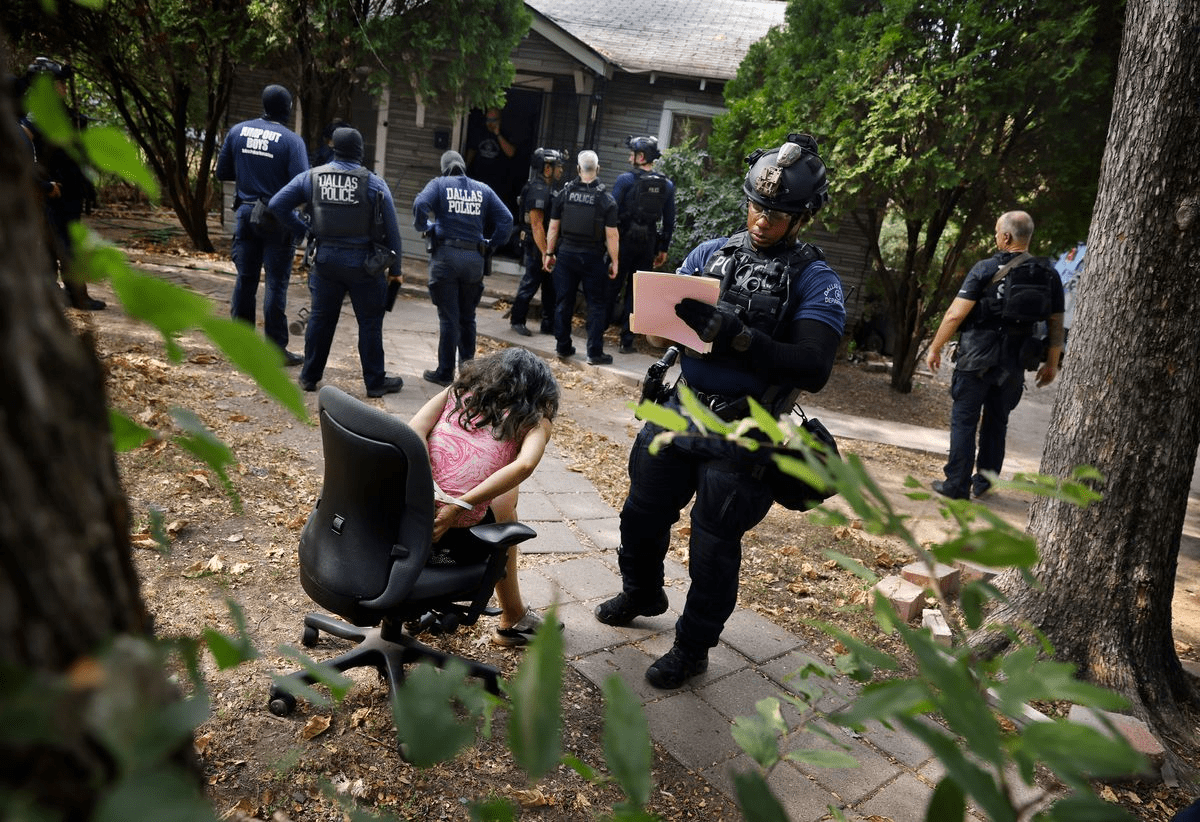
Modern Dallas remains an important nexus for various types of smuggling, adapted to the new realities of a globalized world. The city’s shadow economy continues to thrive, making Dallas a key logistical center for illegal goods and services.
One of the most pressing current issues is drug trafficking. The city is a strategic hub for Mexican drug cartels, who utilize its extensive highway network to transport massive quantities of fentanyl, methamphetamine, cocaine, heroin, and marijuana across the United States.