

Despite decades of feminist advocacy, gender stereotypes continue to shape the way women are treated in the workforce. These outdated beliefs still limit countless women’s careers—and lives. In the 21st century, it’s shocking that women are still labeled as “weak,” their potential underestimated, and their ambitions ridiculed. But this is the reality, including here in Dallas. Let’s take a closer look at how it plays out in the city’s job market. Continue reading on dallas1.one.
A Job Market That Favors Men

Anyone scanning job listings in Dallas might not see signs that say “Men Only,” but local job seekers know the truth: male applicants often have the upper hand. A man’s voice on the phone is more likely to get a call back. This bias is subtle but deeply ingrained—and it’s been around for decades.
Why do employers in Dallas often lean toward hiring men? One reason is the persistent stereotype that men are more competent or more knowledgeable in their fields. Another is the outdated belief that men are more “reliable” because they won’t take maternity leave or need temporary replacements.
These assumptions don’t hold up to scrutiny—they’re rooted in sexism and belong in the past. Yet they still influence hiring decisions today.
Women in Dallas Earn Less Than Men

Even when women do land jobs, they’re often paid less than their male counterparts. A man with the same qualifications and experience may earn significantly more. And this isn’t just anecdotal—it’s backed by data.
Dena Jackson, Chief Operating Officer of the Texas Women’s Foundation, has spoken publicly about this issue. According to the foundation’s research, men with a high school diploma in Texas often out-earn women who hold associate degrees. The numbers are stark: an average man with only a high school diploma earns around $36,000 a year, while a woman with an associate degree earns just $31,200.
On average, women in Texas earn $2.83 less per hour than men. Over the course of a year, that adds up to a difference of about $10,000 for full-time workers. For Black and Latina women, the gap is even wider.
Andrea Glispie, Director of Career Pathways at United Way of Metropolitan Dallas, points out that although women in Texas often pursue education more aggressively than men, it doesn’t translate to equal pay. Their academic achievements are frequently dismissed by employers who still operate under gendered assumptions.
Dallas Women Face Poverty More Often Than Men

The economic consequences of this inequality are devastating. Research from the Texas Women’s Foundation shows that women in Texas cities—including Dallas—are far more likely to fall into poverty than men.
In Dallas, roughly 2 in 10 Black or Latina women are at risk of becoming homeless if they don’t marry or avoid personal setbacks. Households led by single mothers are almost twice as likely to live in poverty compared to those led by single fathers. Why? Because men are still more likely to be hired—and hired at better pay.
During the COVID-19 pandemic, women in Dallas proved their resilience. In 2019, they made up 63% of the workforce in frontline sectors like healthcare, emergency services, and social work. It was a rare moment when their contributions were not only seen but valued.
To address these issues long-term, United Way launched the Pathways to Work initiative. This program connects sponsors, training providers, and employers to create clear career paths for unemployed and underemployed women. Thanks to Pathways to Work, many women in Dallas have found fulfilling jobs—and the respect they’ve long deserved.
One Woman’s Story: Mariama Sagna
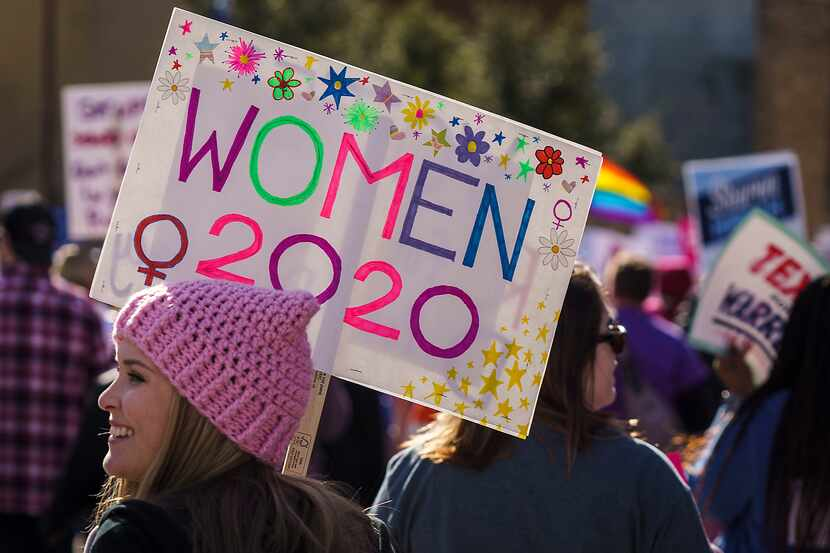
Mariama Sagna, a longtime Dallas resident, has firsthand experience with gender bias in the workplace. Over the years, she’s held various roles in finance and IT. Despite her qualifications and experience, she’s been repeatedly underestimated—by bosses, coworkers, and especially clients.
She recalls being asked to bring in a male colleague to confirm answers she had already provided. The implication? That her expertise wasn’t enough on its own. Mariama has degrees, years of experience, and a strong work ethic—but still faces daily skepticism simply because she’s a woman.
Her frustration runs deep. She postponed starting a family to focus on her career, only to find that advancement was nearly impossible. The barriers weren’t her abilities—they were society’s outdated views on gender.
Refusing to stay silent, Mariama is now an outspoken advocate for gender equality. She participates in local feminist-led initiatives like the Equality March and regularly speaks out against employers and government agencies that fail to treat women fairly.
It’s a tough road, but Mariama and others like her remain committed. They believe that one day, women in Dallas will be able to walk into interviews with confidence, land the jobs they deserve, and earn fair pay. That hope grows stronger each time a woman breaks through and proves what’s possible.
Sources:
Dallas News
Texas Women’s Foundation
Tarrant County Fact Sheet