

The events of World War II touched everyone, from Dallas’s youngest citizens to its adult residents. While adults enlisted in the armed forces and were sent to the front lines, schoolchildren and students fared far better. Their daily lives didn’t change overnight. However, the curriculum they followed was a direct response to wartime demands. Read more on dallas1.one.
School Life in Dallas During World War II
During the war, Dallas’s school programs were completely restructured and adapted to meet military needs. All subjects took on a practical and technical focus. Teachers devoted far less time to the humanities and social sciences. Instead, they increased instruction hours for mathematics, physics, chemistry, biology, and other disciplines whose knowledge would help the military effort.
To foster a spirit of defense, schools actively promoted patriotism through history lessons and community activities. Students collected scrap metal, paper, rubber, and other materials vital for wartime production. Schools also held fundraising events that instilled a love for home and respect for service members.
Not everything ran smoothly. With nearly the entire city budget redirected to the military, schools suffered from an acute shortage of equipment and learning materials. Students had to share textbooks so everyone could access the necessary content. The situation improved thanks to numerous fundraising efforts for school supplies and books.
Changes in Dallas’s Higher Education During the War
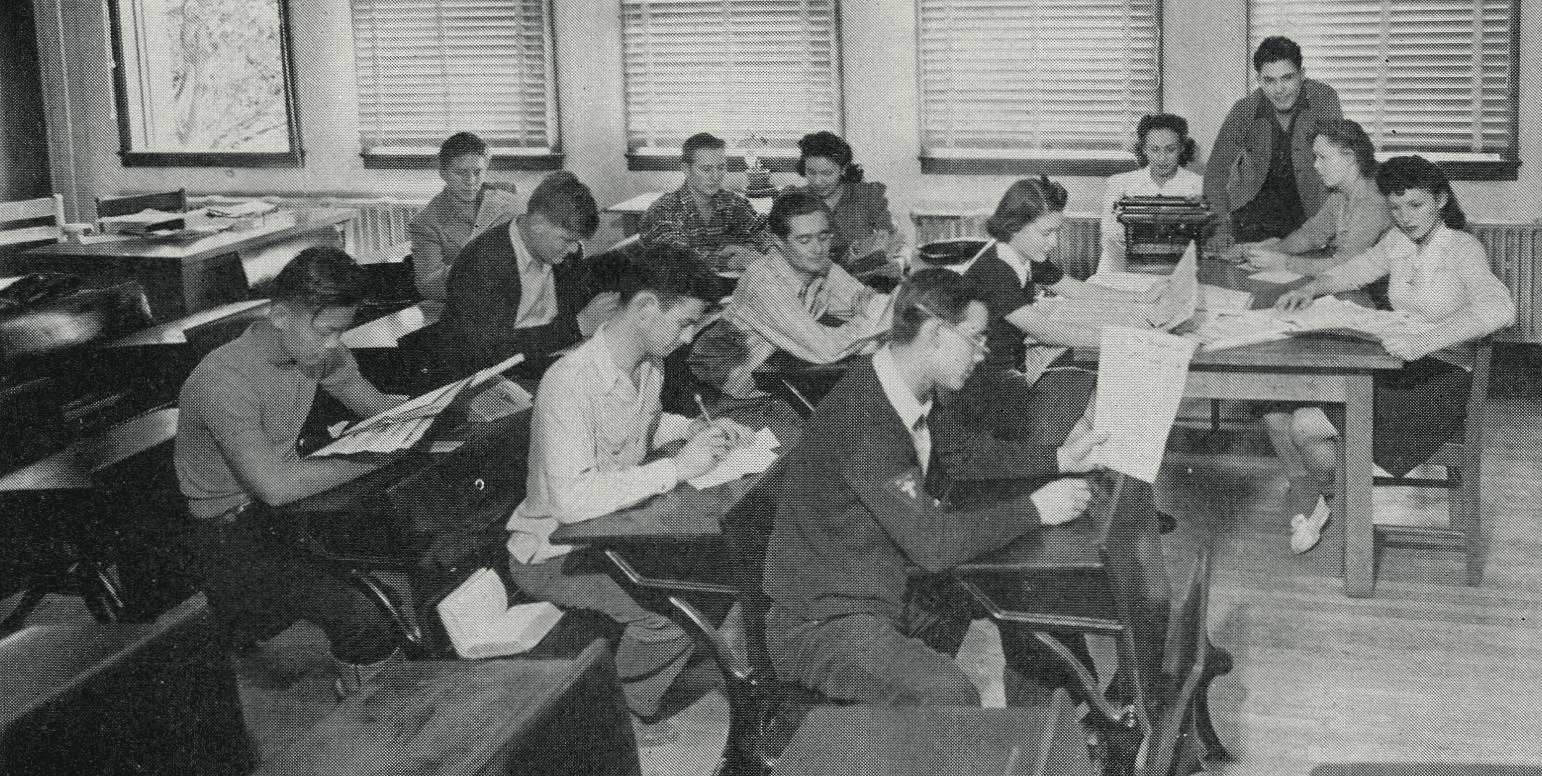
From the moment the United States entered World War II, Dallas’s colleges and universities began collaborating with military institutions to train students for service. These institutions were also responsible for mobilizing as much manpower for the armed forces as possible.
In 1941, schools launched training programs in key areas:
- Civilian Aviation Pilot Training Program
- Specialized Army Units Training Program
- Naval Defense Officers Training Program
Most candidates for these programs were young men. However, women also played their part by studying biology and medicine to serve as nurses. In this way, the city’s youth contributed to securing a just and lasting peace.
On many campuses, students organized war support campaigns: donating blood, assembling food parcels, completing first-aid courses, and even knitting supplies. Volunteers visited hospitals to put their skills into practice. Additionally, military training programs expanded across campus. One of the most popular was the Reserve Officers’ Training Corps, which combined lectures with physical training and leadership exercises. Since men dominated these programs, women often took on research projects, seminars, and other university assignments.