

Dallas boasts a fascinating beer history that kicked off right after the Civil War. Early breweries quickly became vital to the city’s economy, even more so than farming. In the late 1800s, thanks to German immigrants who brought their recipes, beer production boomed. Prohibition nearly wiped out the industry, but after its repeal, breweries blossomed again, reflecting the city’s own transformation. This text will trace the entire journey of beer in Dallas—from its very first breweries to today’s thriving craft scene. Read more on dallas1.one.
A Brief History of Beer’s Arrival in Dallas
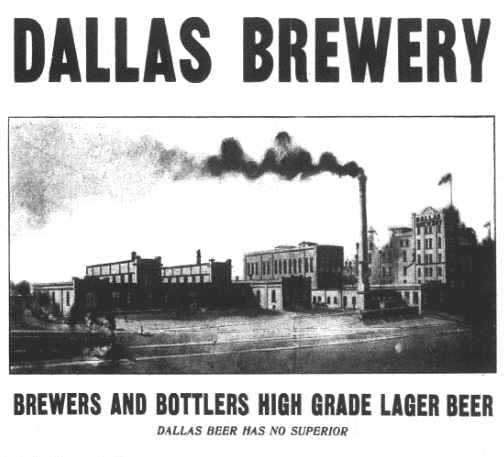
The roots of brewing in Dallas stretch back to the mid-19th century, a surprisingly rich history. Contrary to the common belief that breweries are a modern phenomenon, the first attempts at brewing in the city were made as early as the 1850s. That’s when Jean Mondurel, a French socialist, along with a group of immigrants from France, Switzerland, and Belgium, settled on the banks of the Trinity River. They founded a utopian settlement called La Réunion, guided by the teachings of François Charles Fourier. While their primary goal was to create an ideal society, beer was an integral part of their European way of life. Thus, in 1857, Mondurel established the first brewery in Dallas.
Over time, other brewers emerged, such as Wheeler with his lager and Rodolph Harpy, whose lager won an award at the second annual Dallas County Agricultural Association exhibition. Thanks to the work of Paul Hightower and Brian L. Brown, authors of “North Texas Beer: A Full History of Brewing in Dallas, Fort Worth and Beyond” (2014), we know about these early steps.
The heyday of early Dallas brewing is closely associated with Mayer’s Garden. This was one of the first large beer gardens, opening in 1881. The venue was massive, spanning two addresses on Elm Street downtown. It featured live music, a restaurant, and even a zoo. Interestingly, it was at Mayer’s Garden that Dallas first saw electric streetlights.
But this era of revelry came to an end. First, due to the “blue laws” of the 1890s, which banned Sunday entertainment to encourage church attendance. Then came the temperance movement, ultimately leading to total prohibition. This brought the era of free-flowing beer to a halt for many years.
A New Chapter for Dallas’ Beer Scene
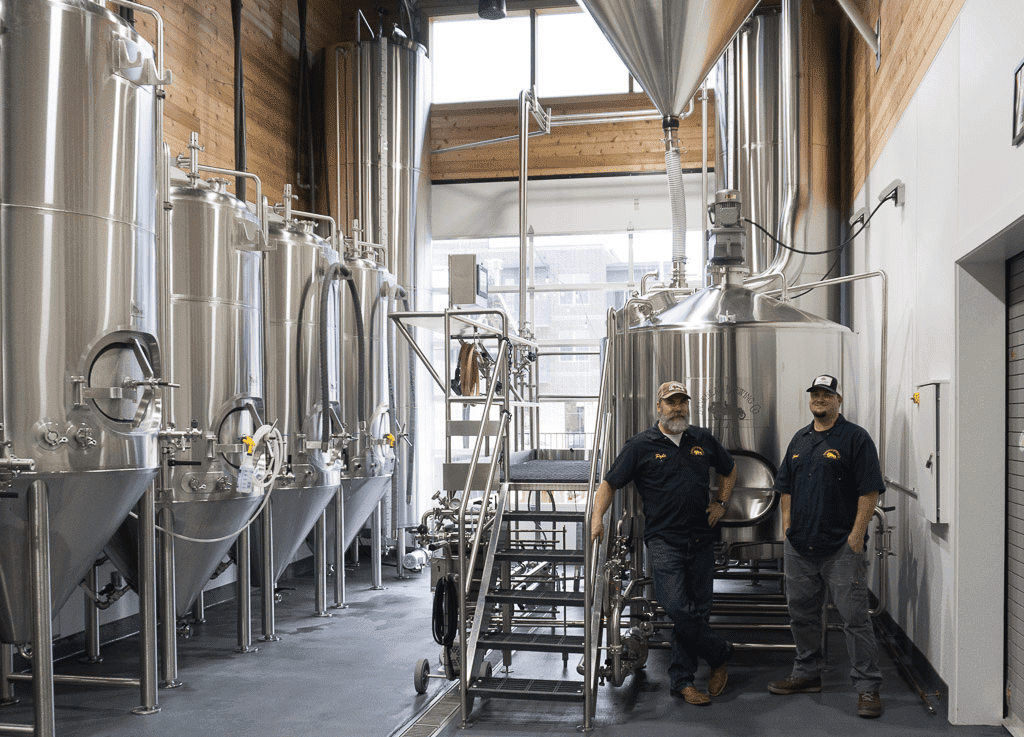
Not so long ago, North Texas was a true “craft beer desert.” This was around the fall of 2011, before two now-famous breweries—Deep Ellum Brewing Co. and Peticolas Brewing Co.—opened their doors. Prior to that, Dallas hadn’t seen any large-scale beer production since the late 1990s. Imagine: at that time, there were only eight other brewing companies in all of North Texas. It truly was a craft beer wilderness.
However, everything changed on June 27, 2012. This day marked a turning point for the Dallas beer scene. During a city council meeting, a crucial decision was made: council members unanimously voted for a new zoning ordinance. This ordinance allowed wineries, distilleries, and, most importantly for our story, breweries to operate within city limits. This decision was a pivotal moment, as it opened the door for a massive brewing renaissance.
Following Dallas’ lead, other surrounding cities began to amend their own laws, creating a favorable environment for the growth of local breweries. Thanks to these changes, as well as the boldness and vision of companies like Deep Ellum Brewing Co. and Peticolas Brewing Co., Dallas began its transformation from a “desert” into a true craft beer hub. This was just the beginning of a new chapter in the city’s beer history, but without this vital step, all subsequent achievements would have been impossible. The path to a brewing cultural revival was now wide open, and the city was ready for a true beer boom.
The Evolution of Beer Culture in Dallas, Texas
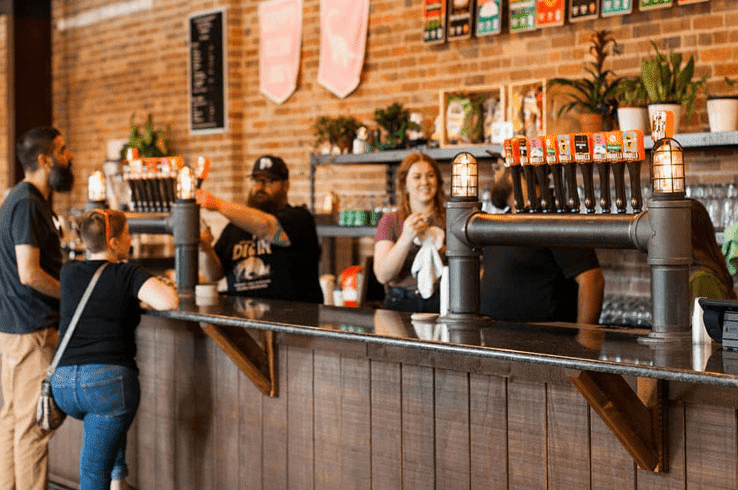
After the fateful decision in 2012, the North Texas beer scene began to grow and transform rapidly. Within two years, by 2014, there were 24 breweries in the region. By May 2016, that number exceeded 30, and today, nearly 100 breweries call North Texas home. Amazingly, as of 2019, Dallas boasted more craft breweries than well-known beer hubs like Austin, Houston, and San Antonio. Despite some recent closures (like Armadillo Ale Works after 12 years), the overall number continues to climb. Currently, there are 20 known projects in various planning stages. What’s more, the January acquisition of Deep Ellum Brewing Co. by Monster Beverage Corp. as part of a $330 million deal certainly won’t deter newcomers.
Over the decade, it’s not just the number of breweries that has changed; the business itself continues to evolve. Prior to 2013, taprooms didn’t exist; their legalization became possible thanks to the support of the Texas Craft Brewers Guild. For instance, Peticolas only opened its taproom in 2017; before then, production breweries only offered tours and tastings. The allowance for direct-to-consumer sales (“beer to-go”) came even later, in 2019. However, this proved to be a very timely decision, as the ability to sell beer for off-premise consumption became critically important for brewers during and after the 2020 pandemic.
The relative stability of the brewing community, which allowed North Texas to enter its “golden” (or perhaps “amber”?) age, spurred experimentation and simultaneously demanded it. To stay afloat in an increasingly crowded market, hard seltzers and kombucha, as well as guest ciders and wines, have appeared on menus. Still, beer remains the main attraction, with IPAs continuing to dominate styles. However, soft and full-bodied Hazy IPAs have displaced bright, bitter West Coast IPAs as the favored hop-forward options. Dry, roasted stouts have transformed into sweet, dessert-like beverages, and traditional sour beers are being replaced by super-fruity “smoothies.”
Experimentation extends beyond bottles, cans, and kegs. To attract new customers and retain regulars, breweries are upgrading their spaces. Simple taprooms are giving way to establishments with food, live music, and other entertainment. It’s better to be a comprehensive dinner and drinks destination than a quick stop for a single pint before bed.
The Modern Faces of Brewing in the City
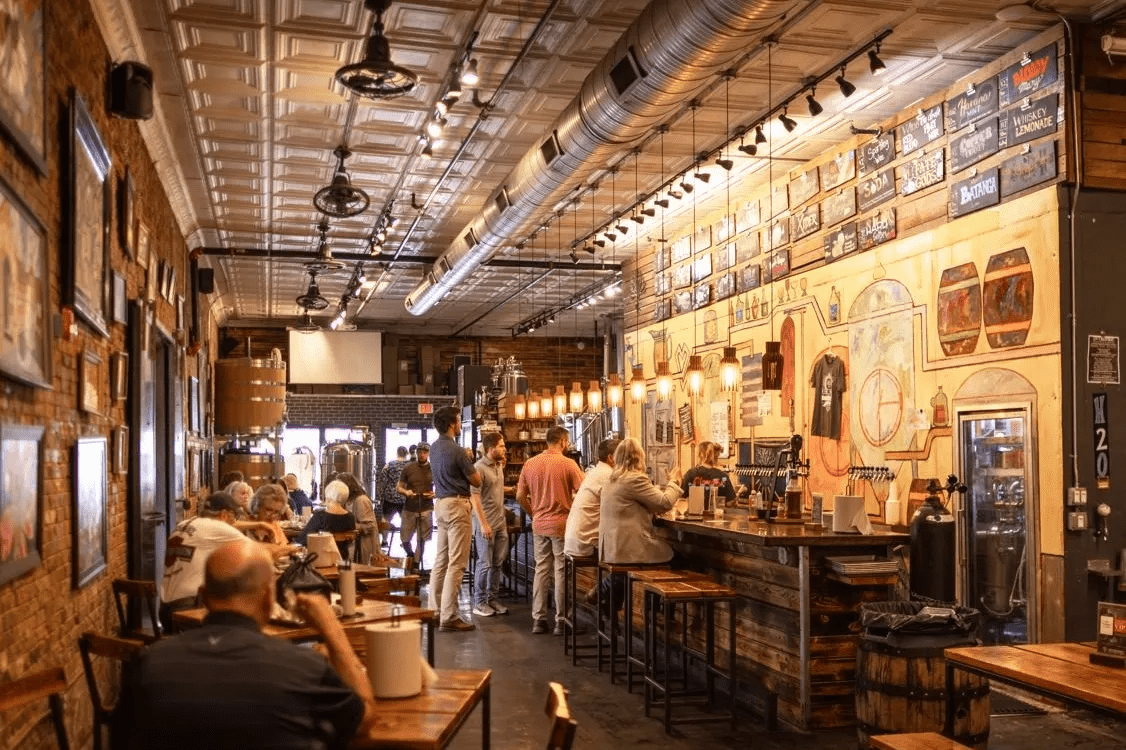
Dallas’ modern beer scene isn’t just about numbers and laws; it’s also about the people behind every brewery and bar. For example, Keith Schlabs, an operating partner for well-known establishments like Flying Saucer Draught Emporium, Meddlesome Moth, and Mudhen Meat and Greens, has played a key role in advocating for quality beer for 23 years. He worked at Yegua Creek Brewing Company, which became the first commercially licensed establishment in Dallas after breweries were legalized in 1993. According to Schlabs, Dallas has grown so much that suppliers from all over the world are now focused on this market.
Among the iconic places shaping the city’s beer landscape, Strangeways on Elm Street stands out. This establishment, opened by Rosie Ildemaro and Eric Sanchez, offers a truly unique selection of beers.
Other equally important establishments include The Old Monk on Henderson Avenue, which has impressed with its assortment of Belgian, British, and local beers since 1998, and The Libertine Bar on Greenville Avenue, with its diverse selection ranging from sours to classic hefeweizens.