

Dallas, Texas, holds a rich industrial history that once pulsed at its very core. Before the turn of the 20th century, the McKinney Cotton Mill, established in 1910, emerged as a pivotal textile manufacturing hub just outside the city. In the 1920s, the Ford Motor Company assembly plant in Dallas churned out popular Model T cars, significantly boosting the local economy. The Dallas Brewery, which opened its doors in 1890, supplied the city with beverages, and its historic building remains an architectural landmark today. Read on to discover more at dallas1.one.
Key Factories and Productions in Dallas
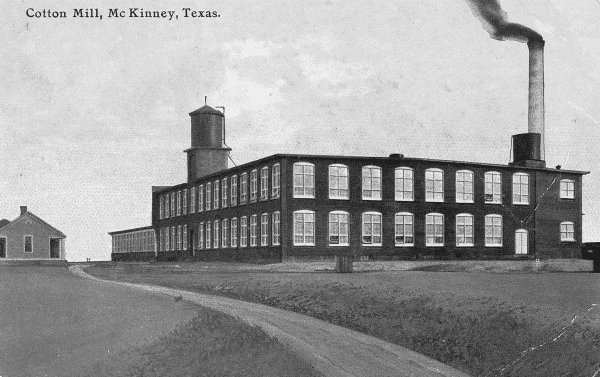
In the late 19th and early 20th centuries, Dallas transformed from a small agricultural settlement into a vibrant industrial powerhouse. Its strategic location at the intersection of railway lines acted like a magnet, drawing in investments and a skilled workforce. The city became a cradle for manufacturing enterprises that profoundly shaped its future development. These companies, each with its unique story, played a crucial role in forming Dallas’s economic landscape and social fabric.
The McKinney Cotton Mill, founded in 1910, played a significant role in the region’s growth. Located near Dallas in McKinney, it quickly became one of the world’s largest denim producers, showcasing the immense potential of Texas’s cotton industry. Its success indirectly bolstered the economy of the entire region.
The automotive sector became a true engine of industrial growth directly within Dallas. Ford Motor Company opened its first two-person dealership in the city as early as 1909.
Beyond automotive manufacturing, other industries met the diverse needs of the city’s inhabitants. The Dallas Brewery, which began operations in 1890, became a major player in the local beverage market. Its building still holds architectural value, serving as a reminder of the pre-Prohibition era and the subsequent resurgence of brewing.
The McKinney Cotton Mill and its Dallas Connection
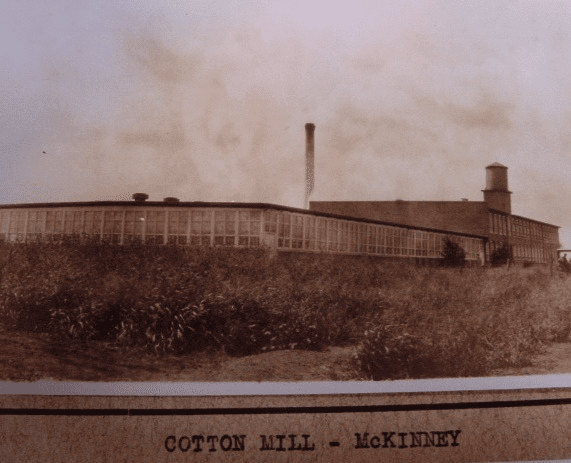
Just outside Dallas, in the neighboring city of McKinney, stood one of the region’s most significant textile factories: The McKinney Cotton Mill. Established in 1910, this cotton mill rapidly grew into a major production center, eventually becoming one of the world’s largest denim manufacturers. While physically separate from Dallas, its operations had a direct impact on the economic dynamism of all of North Texas.
The establishment of The McKinney Cotton Mill was driven by the same cotton industry boom that swept through Texas at the turn of the century. With Texas being a leading cotton grower, it was a logical step to create local processing facilities that would add value to raw materials without the need for transportation to distant factories in the North. McKinney, like Dallas, boasted advantageous rail connections, simplifying the logistics of raw materials and finished products. The McKinney mill didn’t just process cotton; it produced high-quality denim, which was in high demand for workwear, ensuring stable demand and growth.
The connection between The McKinney Cotton Mill and Dallas extended beyond mere geographical proximity. Dallas, as a major commercial and transportation hub, served as a central market for the sale of products from many regional enterprises, including textile mills. Furthermore, the workforce often migrated between cities, and the economic success of some businesses created a domino effect for others.
The Impact of the Ford Motor Company Plant
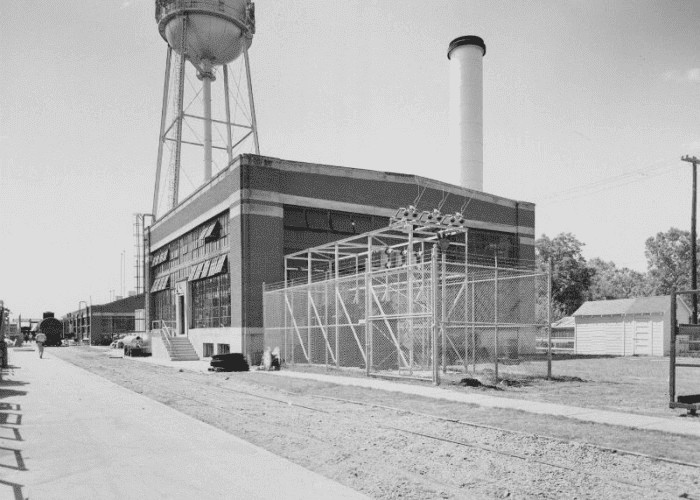
The Ford Motor Company plant in Dallas became a true engine of progress, significantly altering the city’s economic and social landscape. Its story began with the opening of Ford’s first small dealership in Dallas as early as 1909. The real industrial breakthrough occurred in 1914 when Ford opened its first assembly plant on Canton and Williams Streets. This move underscored the company’s confidence in Dallas’s potential as an industrial center.
The rapid development of the automotive industry and the growing demand for Ford products necessitated expansion. In 1925, the plant relocated to a new, much larger site on East Grand Avenue. During this period, over 2 million cars and trucks rolled off the assembly line, including the legendary Model T and Model A, which made automobiles accessible to the masses. During World War II, the plant also played a vital role, producing military jeeps and significantly contributing to the nation’s defense efforts. Every vehicle leaving the plant bore a sticker proudly stating, “Built in Texas by Texans,” emphasizing the local contribution to national production and fostering a sense of pride among residents.
The impact of this plant extended far beyond automotive manufacturing. It provided thousands of stable jobs, stimulating significant population growth in Dallas and fostering the development of housing and social infrastructure. The plant attracted skilled workers who moved to the city in search of better opportunities. It symbolized Dallas’s industrial might and innovative spirit, transforming it into one of the leading manufacturing hubs in the U.S.
Dallas Brewery and the Social Impact of Industry
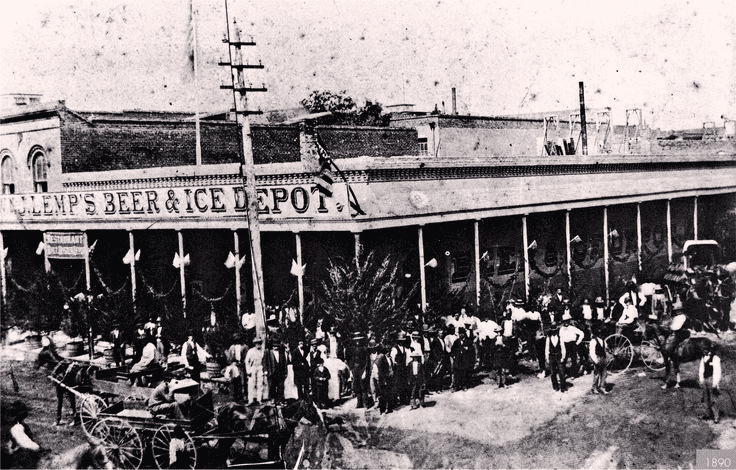
The history of the Dallas Brewery began in 1890. The brewery quickly became a significant player in the local beverage market, supplying the city with its products and, importantly, creating jobs and shaping a certain leisure culture. Its activities reflected the growing needs of the urban population and the dynamics of leisure at the turn of the century. The brewery building still stands as an architectural landmark, quietly reminding us of the pre-Prohibition era and the subsequent revival of brewing, a testament to its cultural and historical significance.
However, the social impact of industrial production in Dallas extended far beyond a single brewery. Overall, the city’s industrial growth led to significant demographic changes. Thousands of people, both locals and migrants, flocked to Dallas in search of work in factories and plants. This led to rapid population growth, urban sprawl, and the formation of new working-class neighborhoods. These communities were centers of social life, where new connections were forged, infrastructure developed (schools, churches, shops), and the city’s cultural diversity was enriched.
One example of this social impact was the involvement of diverse segments of the population in industrial production. For instance, at the Ford Motor Company plant, thousands of workers found stable incomes, improving the living standards of many families. The story of The New Century Cotton Mill, which opened in 1902, holds a special place. Located in a predominantly African American neighborhood, this enterprise was built by African American workers and employed exclusively African Americans (with the exception of management). This fact highlights how industry not only created economic opportunities but also new social structures and, at times, pathways for the development of communities that had previously been limited in their access to certain areas of employment.
The growth of industry also brought social challenges. Urban growth was accompanied by problems of overcrowding, sanitation, and often harsh working conditions. Union movements and the struggle for better working conditions were also part of the social dynamics of industrial Dallas.