

Esports in North Texas has long ceased to be just a hobby for teenagers in their after-school hours. Today, it is a powerful educational vertical that unites Dallas schools, leading universities, and technology corporations. By transforming gaming arenas into learning laboratories, the region’s educational institutions are creating new social elevators where strategic thinking and rapid reaction skills are converted into academic scholarships and high-paying jobs in the IT sector.
In this article on dallas1.one, we explore:
- Esports as a STEM “Trojan Horse”: how analyzing match logs and building gaming rigs serve as the first steps toward Data Science and engineering;
- The Path to the Collegiate Olympus: how UT Dallas and charter schools offer student-athletes conditions that rival those of American football stars;
- World-Class Infrastructure: from the largest esports arena in North America to innovation labs in local public schools;
- A Digital School of Life: why esports fosters discipline, team ethics, and leadership more effectively than traditional methods.
Discover how Dallas is transforming “wasting time on the computer” into the cultivation of the future’s intellectual elite.

Esports as an “Intellectual Gateway”: STEM Education Through the Lens of the Big Game
In the Dallas educational landscape, the attitude toward video games has undergone a radical transformation. Today, esports programs are viewed not as entertainment, but as a strategic “Trojan Horse” to engage students in STEM disciplines. This is a unique approach that allows the excitement of competition to be turned into a powerful incentive for mastering complex technical skills, attracting even those students who previously found traditional programming or higher mathematics too abstract.
- Data Analytics and Applied Statistics. Modern esports is about numbers. Players and coaches use professional software for profound analysis of match logs. They study movement heatmaps, calculate the probability of critical events, and optimize their strategies using mathematical models. This is effectively an introductory course in data science, where students learn to make decisions based on objective data rather than intuition.
- Engineering and Technical Architecture. Participants in school esports clubs don’t just use “off-the-shelf” solutions. They often build their own gaming stations, gaining a perfect command of computer architecture. This includes understanding RAM timings, the principles of liquid cooling systems, and setting up local area networks with minimal latency (low latency). Such skills serve as a foundation for future system administrators and hardware engineers.
- Digital Directing and Media Engineering. Organizing a tournament is a full production cycle of modern television. Students take on roles as broadcast directors, sound engineers, and streaming platform operators. They work with real-time video processing software (such as OBS or vMix), mastering complex data transfer protocols, which prepares them for careers in the digital media and broadcasting industries.
The main success of this model lies in changing the student’s internal motivation. When a teenager realizes that knowledge of algorithms or signal transmission physics will help their team win a state championship, complex formulas stop being a burden. Dallas is effectively creating a new educational ecosystem where the line between play and professional training becomes almost invisible. As a result, the city gains graduates who possess not only a diploma but also real experience working with high technologies under stress and intense competition.

The Academic Olympus: Esports as a Ticket to Prestigious Dallas Universities
Today, Dallas has established itself as the epicenter of academic esports, creating a unique ecosystem where gaming skills are converted into real educational opportunities. Thanks to close synergy between middle schools and the state’s leading universities, esports has stopped being just a hobby. Now, Texas universities are actively “scouting” talented players, offering them conditions that were previously only available to the stars of traditional American football or basketball.
- The UT Dallas Esports Program—A National Standard. The University of Texas at Dallas is a recognized leader and a true “talent foundry” for the industry. The program offers student-athletes full or partial scholarships covering tuition costs. Players gain access to professional training centers and the services of staff sports psychologists and nutritionists, emphasizing the seriousness of the approach to gamers’ mental and physical health.
- Vertical Integration and Social Elevators. Charter school networks, specifically Uplift Education, have built a clear vertical training path. By creating internal leagues, they allow students to build a professional portfolio starting in middle school. Graduates of such programs receive priority consideration for applications at partner colleges, making esports an effective tool for social mobility.
- The Synthesis of Gaming and Academic Careers. University programs in Dallas do not exist in a vacuum—they are strategically integrated with departments of computer science, interactive engineering, and game design. Students receive a fundamental education in programming or digital management while simultaneously competing on the professional stage. This guarantees them a successful career in the technology sector even after they finish their active tournament play.
This integration creates a fundamentally new model of higher education, where a passion for technology and a competitive spirit become the foundation for professional growth. Dallas is demonstrating to the world that investing in esports infrastructure is, above all, an investment in the region’s intellectual capital. Graduates of these programs enter the job market with a unique set of skills: from strategic thinking under time constraints to a profound understanding of network technologies and team psychology.
Infrastructure of the Future: From Classrooms to World-Class Arenas
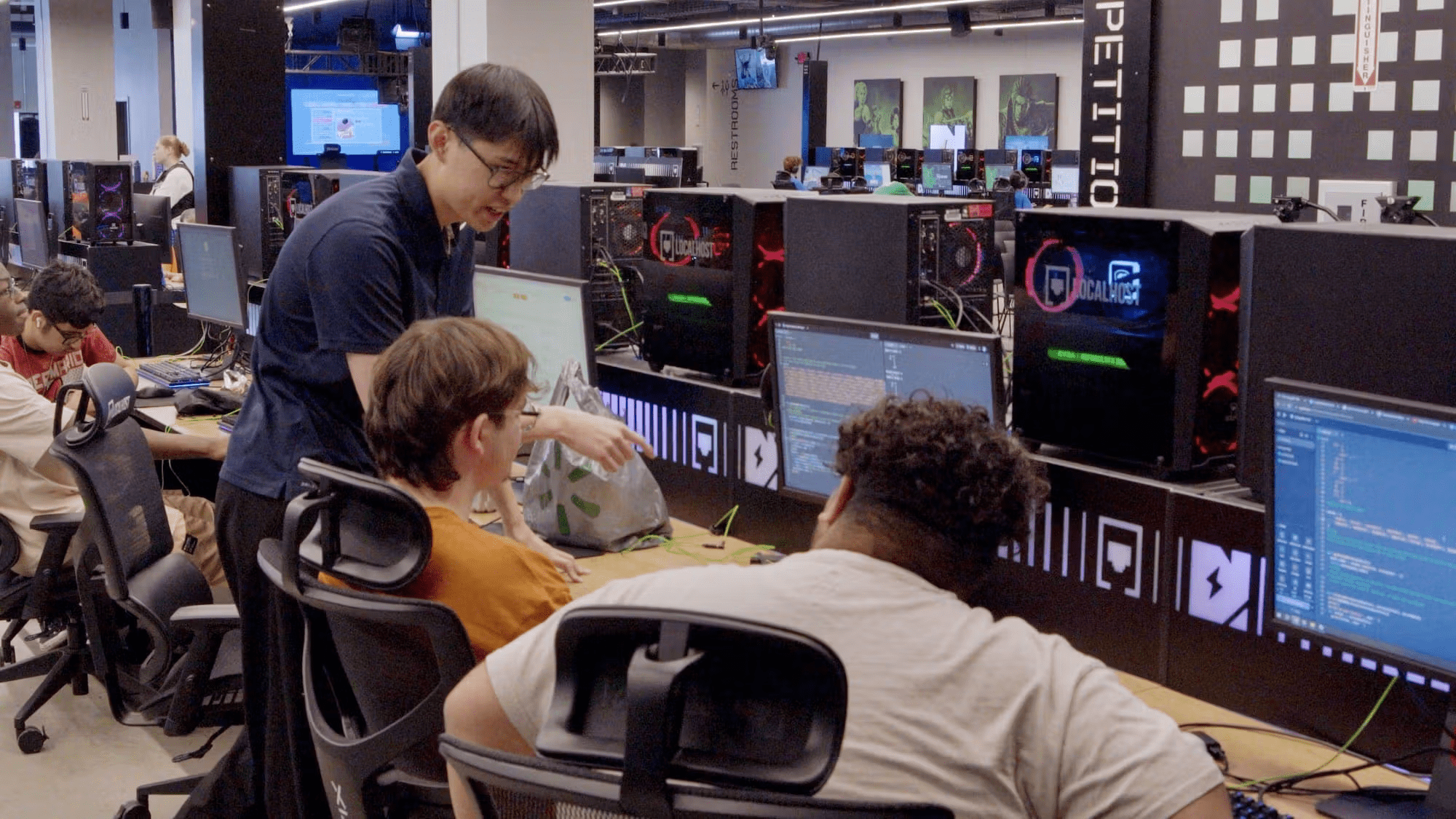
The development of esports in Dallas and its suburbs is not just about software, but also about a powerful physical foundation. The city has turned into a global hub thanks to the construction of facilities that surpass traditional stadiums in their technological sophistication. Crucially, this infrastructure is not reserved solely for professionals. It is integrated into youth sports, blurring the line between amateur passion and the grand arena.
- Esports Stadium Arlington—The “Colosseum” of the Digital Era. The largest esports arena in North America is located right here in the Dallas metroplex. It regularly hosts middle school and university finals, providing students with a unique experience of performing before an audience of thousands. This is not just a game, but a stress test for the psyche and public speaking skills, preparing youth for work in high-responsibility environments.
- Complexity Gaming Lab and The Star Ecosystem. Through unique collaborations with professional organizations (such as Complexity Gaming’s headquarters at The Star in Frisco), students gain access to the “inner workings” of the industry. They attend training camps where they observe the work of not only players but also data analysts, managers, and physical therapists. This expands their understanding of career opportunities, from managing sports franchises to the technical support of major events.
- Gaming Labs in Dallas ISD. The Dallas Independent School District (Dallas ISD) has bet on the democratization of technology. Investments are directed toward equipping specialized classrooms with professional peripherals and ultra-high-speed, low-latency internet. This ensures that a child from any part of the city—regardless of their family’s social status—will have access to the same equipment as students at private academies, providing an equal start in the digital economy.
Such an infrastructural network creates an immersive effect where every step a student takes—from the school desk to the professional stage—is backed by real resources. This turns Dallas into the “Silicon Valley” of esports, where innovations in architecture and network technologies work to cultivate a new generation of technical leaders. The city proves that to build a digital economy, you must start by building the spaces where that economy can physically develop.
Social Skills and Teamwork: Tempering Character in the Digital Age
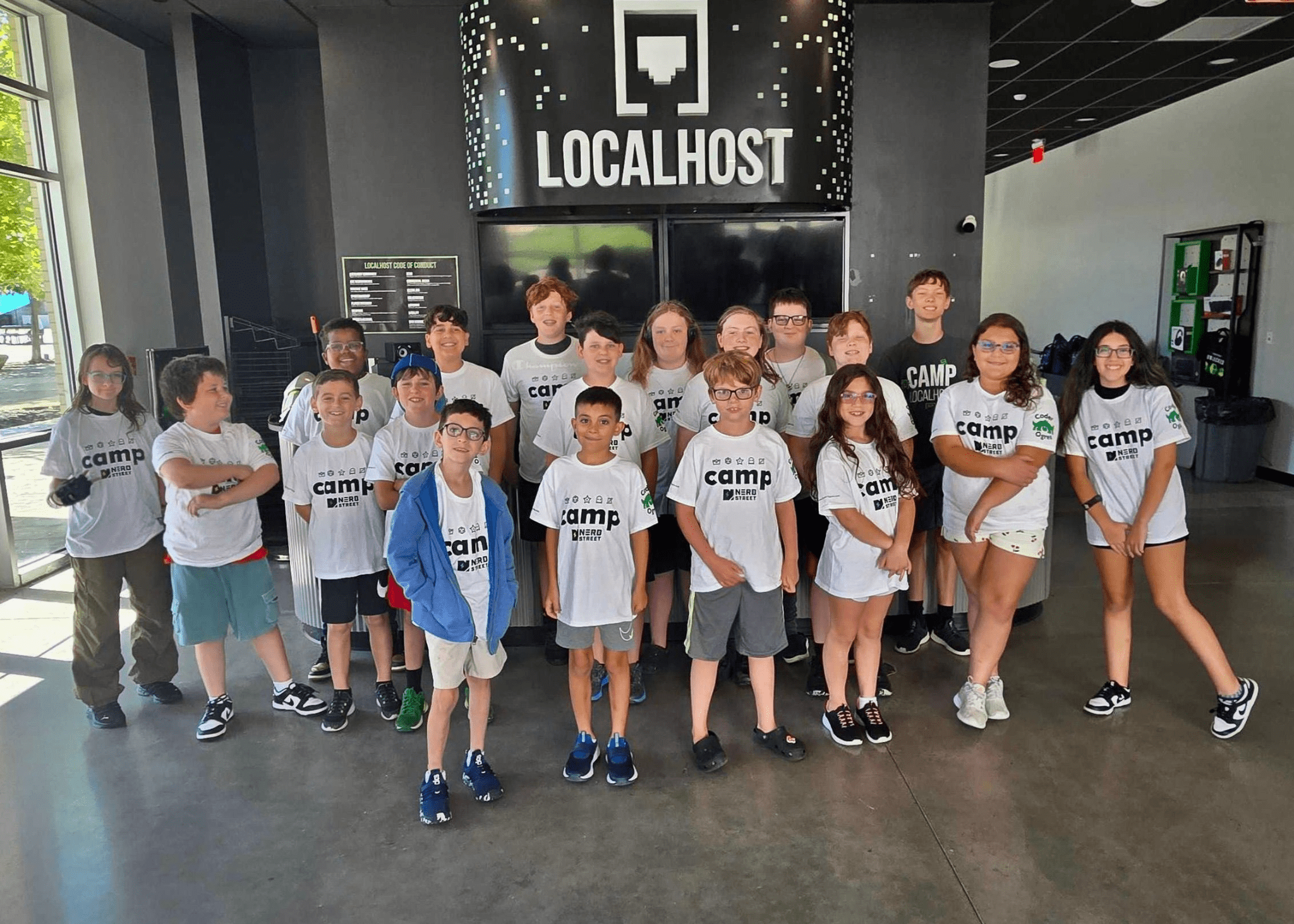
Beyond the obvious technical knowledge, esports programs in Dallas schools fulfill a fundamental mission—they serve as a platform for socialization and support for the mental health of teenagers. In a world where digital isolation is becoming a challenge, team competitions offer structure and meaning, turning individual gadget use into a collective experience of building a resilient personality.
- Radical Inclusivity. Esports is perhaps the only discipline that completely erases physical barriers. In the virtual arena, children with disabilities or special educational needs compete on absolutely equal terms with their peers. This forms an environment of true meritocracy, where only reaction speed, intelligence, and the ability to interact are valued—which is critical for fostering empathy in modern society.
- Discipline and Academic Responsibility. Dallas school leagues operate on the principle of “academics first, play second.” Strict regulations regarding grades are in place: if a student’s GPA in math or language arts falls below a set limit, they are automatically suspended from competition. This turns esports into a powerful motivational lever, forcing teenagers to better plan their time and take responsibility for their core subjects.
- Communication and Leadership Stressed. A virtual match is an environment of split-second decisions. Players learn to communicate effectively under colossal pressure, relaying clear instructions in milliseconds and, most importantly, taking responsibility for the collective result. The ability to constructively handle defeat and analyze mistakes without mutual blame are the “soft skills” that employers value most.
Ultimately, esports in Dallas acts as a digital school of life. It teaches teenagers that success is not just a lucky shot or a quick click, but the result of thousands of hours of training, iron discipline, and the ability to trust one’s team. Graduates of such programs enter the adult world as emotionally mature leaders, capable of maintaining a cool head in the most stressful situations of today’s global economy.
Sources:
- https://www.nbcdfw.com/news/local/carter-in-the-classroom/schools-using-esports-to-help-open-scholarship-opportunities-for-students/3300996/
- https://thehub.dallasisd.org/2019/10/04/score-competitive-electronic-gaming-is-coming-to-64-dallas-isd-schools/
- https://nerdstreet.com/news/2023/9/esports-gaming-stem-education-careers-connection
- https://www.facebook.com/groups/esportsfamilies/posts/1798873046960283/