

By the end of the 19th century, thanks to building new railroads, Dallas became a business and commercial center. As a result, it prompted the growth of the population. From the 1880s to the 1910s, the number of Dallas residents increased twice. At the same time, the city became more polluted, which caused the spread of diseases. Although St. Paul and Parkland hospitals opened during this period, they were unable to handle the large number of patients. In addition, a problem with the quality of medical care was still acute. Dallas1.one will tell you more about how this problem was solved in the city.
Prerequisite events which led to the establishment of a new hospital
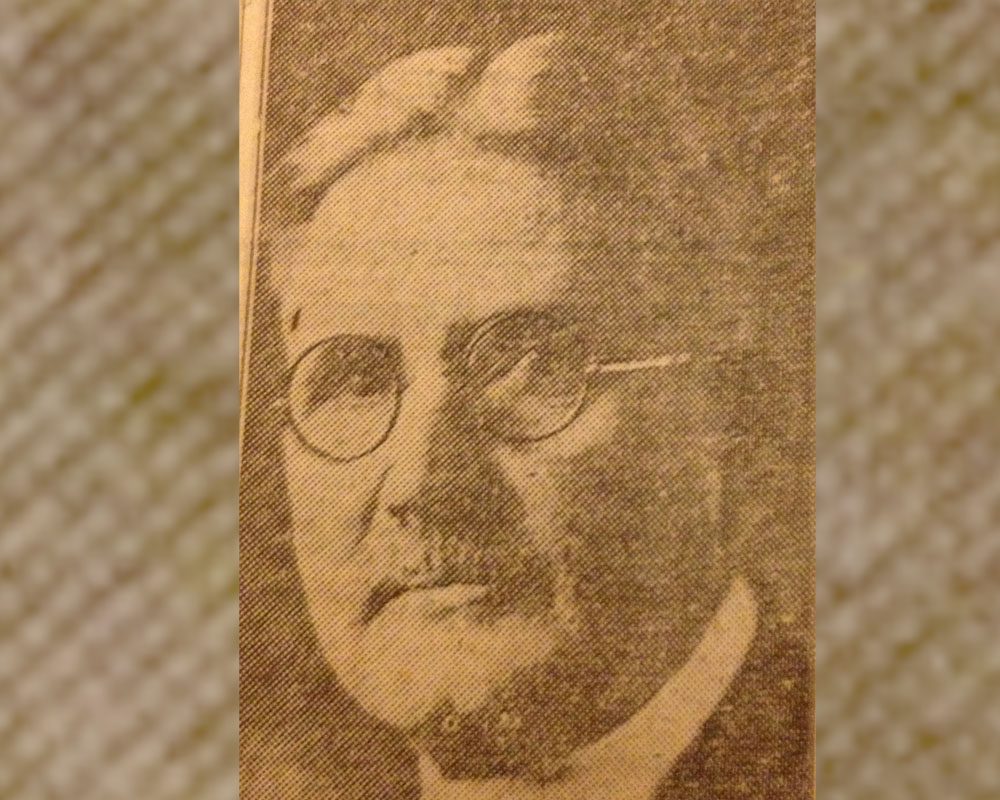
In order to improve medical services, a surgeon from Texas, Charles McDaniel Rosser, founded a medical school at the University of Dallas (later, the medical school was converted into a medical college). Understanding that students had to practice and interact with patients, Rosser attempted to arrange for classes at St. Paul Hospital. However, he never received permission. Parkland Hospital was open to cooperating with students, but this facility could be reached only by horses.
So, Rosser, along with several colleagues, established in Dallas the Good Samaritan Hospital.
Building of the hospital
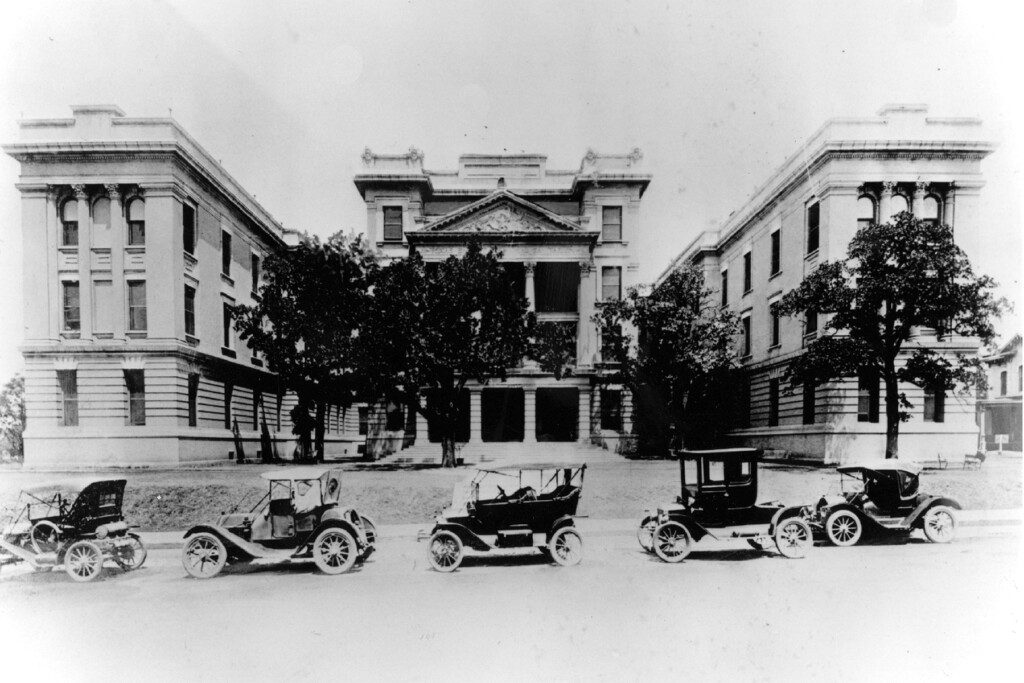
To house a hospital, Charles Rosser purchased a two-story, 14-room building on Junius Street in East Dallas. The Baptist pastor George Truett helped raise $250,000 to restore the premises of the house. The hospital opened in 1903 as the Texas Baptist Memorial Sanitarium. It was financed by the Baptist General Convention of Texas.
In 1914, the hospital expanded. A three-story pavilion was created for national minority patients. In 1918, a nursing school was founded. By the 1920s, the hospital provided services to 20,000-30,000 patients annually. Around the same time, a hospital for children was opened.
The facility was renamed Baylor Hospital in 1921. In 1936, to emphasize its connection with the Baptist Baylor University in Waco, TX, it was named Baylor University Hospital. In 1937, the Florence Nightingale Maternity Hospital was opened next to Baylor Hospital. In 1943, Baylor University College of Medicine was relocated to Houston, while the hospital remained in Dallas.
In 1950, the medical facility was reconstructed again. As a result, the seven-story George W. Truett Memorial Hospital appeared, which became part of Baylor University Hospital. The establishment finally received its modern name, Baylor University Medical Center (BUMC).
Baylor University Medical Center today
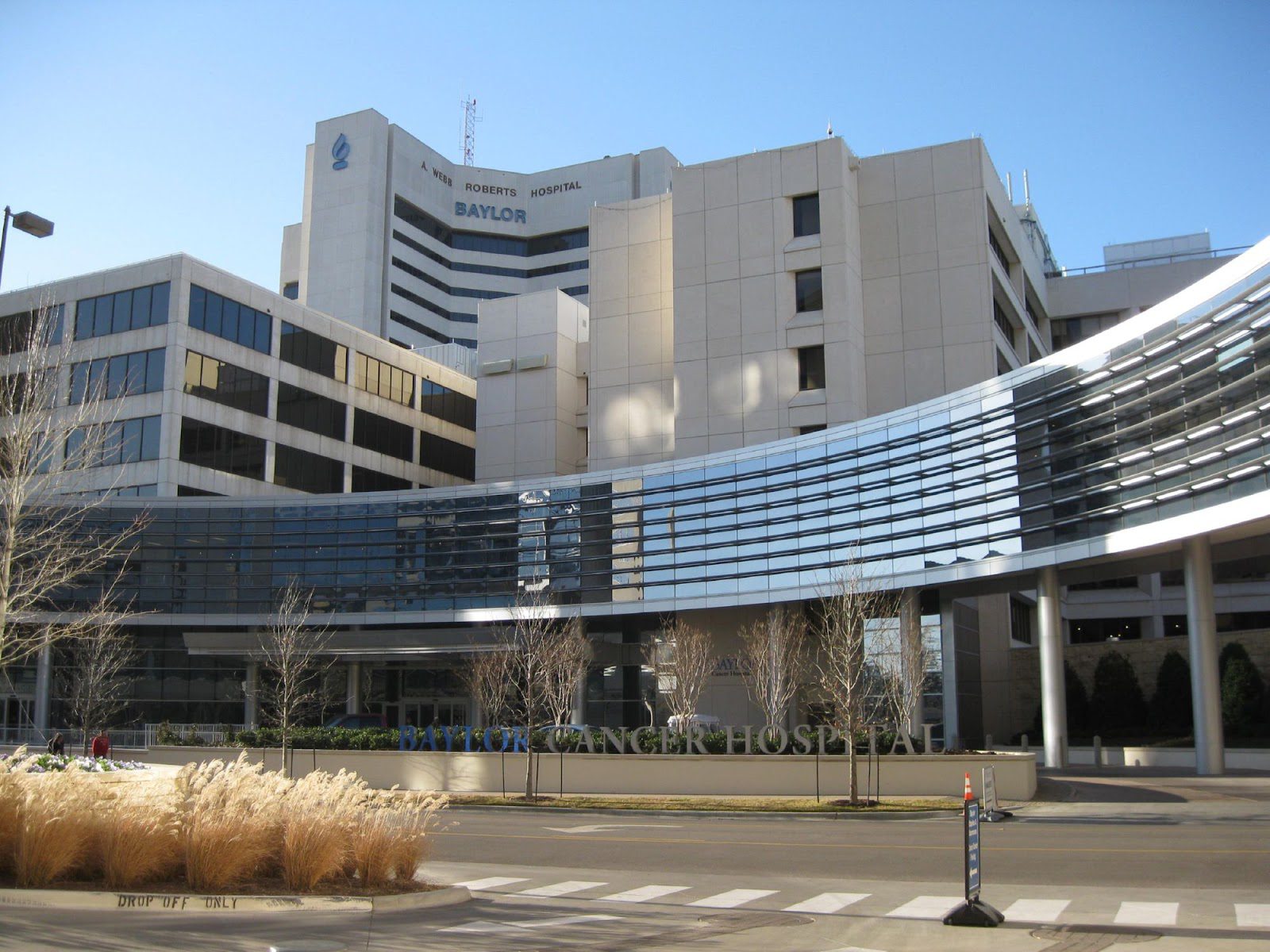
BUMC is part of the Dallas-based Baylor Scott & White Health, which was founded in 1903. Institute for Rehabilitation and Baylor medical centers in Ennis, Garland, Grapevine and Waxahachie also belong to this healthcare system.
BUMC is one of the top institutions in the United States for transplantation and cardiovascular surgery. In 1987, liver transplantation procedure was in high demand among adult Americans. Moreover, the medical facility specializes in kidney, heart, lung and bone marrow transplantation.
Like many major medical centers, Baylor University Medical Center supports medical research. The center funds nine main fields of study, namely: digestive diseases, photobiology, transplantation biology, oncology, immunology, biomedical sciences, metabolic diseases, radiology and surgical research.